The Importance of Weight Lifting for People Over 60
There is a common myth that weight lifting is only for the young or those looking to get "bulky." In reality, as we age, strength training becomes the single most important thing we can do for our long-term health and independence.
Once we pass age 30, we begin to lose 3-5% of our muscle mass per decade—a process called sarcopenia. For those over 60, lifting weights isn't about aesthetics; it's about "Functional Freedom."

3 Reasons to Lift After 60
Bone Density: Weight-bearing exercise puts healthy stress on your bones, which signals your body to strengthen them. This is the #1 defense against osteoporosis and fractures.
Metabolic Health: Muscle is metabolically active tissue. The more muscle you preserve, the easier it is to manage blood sugar and maintain a healthy weight.
Balance and Fall Prevention: Strength training strengthens the "stabilizer" muscles around your hips and ankles, significantly reducing the risk of falls—the leading cause of injury in older adults.
Where to Start?
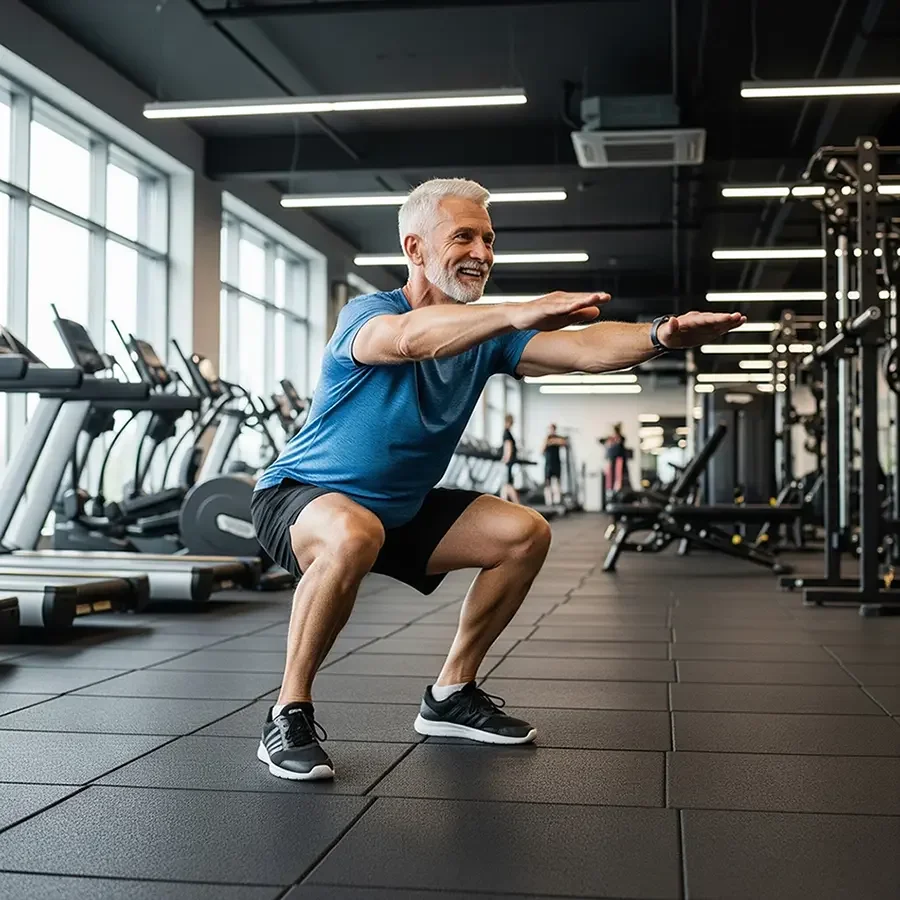
You don't need to bench press 200 pounds. Start with functional movements: squats (sitting and standing from a chair), overhead presses with light dumbbells, and rows. Two days a week of full-body strength training can change the trajectory of your aging process.
The Bottom Line
Weight lifting after 60 is not about aesthetics—it’s about preserving Functional Freedom. By dedicating just two days a week to functional strength training, you build strong bones, improve metabolic health, and dramatically reduce your risk of falls. The most important message is simple: you are never too old to start and change the trajectory of your aging process.
It’s never too late to get strong. To create a safe, effective strength program tailored to your goals, contact Get Back PT today!