
Parkinson’s Exercise Training
In Denver Colorado
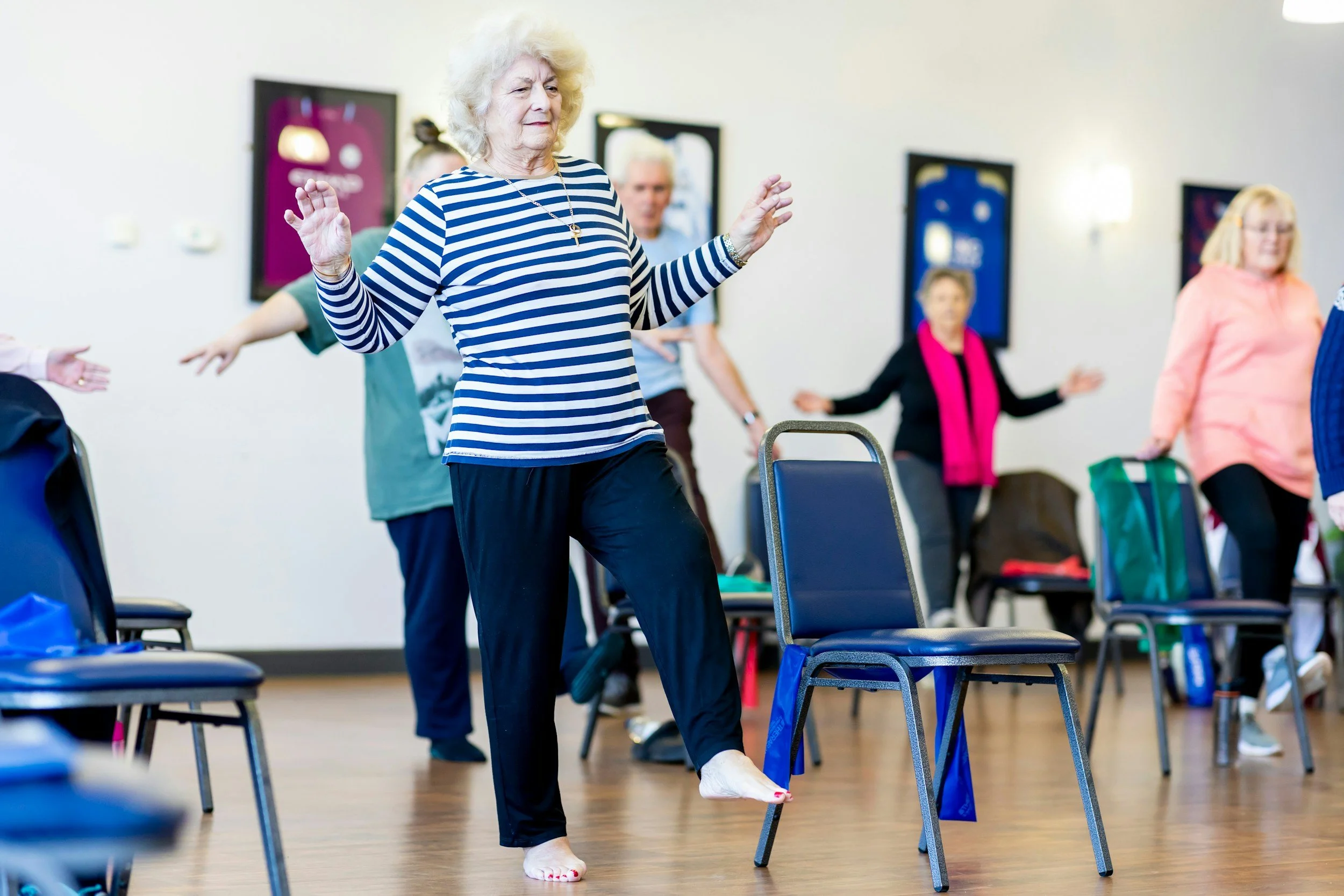
If you've been diagnosed with Parkinson's, there's a good chance your neurologist has told you to exercise. And there's a good chance nobody told you exactly what that should look like.
That's the gap I hear about most. People know exercise matters, but they're not sure what kind, how hard, or how to do it safely when balance is changing, energy is up and down, and symptoms vary day to day.
At Get Back PT + Performance, we offer one-on-one Parkinson's exercise training in Denver, led by trainers with physical therapy backgrounds who understand movement, balance, and how to push the right amount.
Why Exercise Matters With Parkinson's
Exercise is one of the most important things you can do for yourself after a Parkinson's diagnosis. The Parkinson's Foundation and the American College of Sports Medicine recommend at least 150 minutes of moderate to vigorous exercise per week, including:
Aerobic exercise at least three days a week
Strength training two to three non-consecutive days a week
Balance, agility, and multitasking work two to three days a week, or ideally daily
Stretching two to three days a week, or ideally daily
The research behind these recommendations is encouraging. In the SPARX trial (Schenkman et al., 2018), 128 people with early Parkinson's who weren't yet on medication did treadmill exercise three times a week for six months. The high intensity group (80 to 85% of max heart rate) saw their motor symptoms hold steady, while the group that didn't exercise got worse. Moderate intensity didn't show the same effect.
Strength training has strong support too. In a two year trial (Corcos et al., 2013), people with Parkinson's who did progressive resistance training improved their motor scores and kept that improvement at two years, while a comparison group doing a non progressive fitness program drifted back to where they started.
I want to be straight with you: exercise isn't a cure, and larger studies are still underway. But it's one of the most powerful tools available for staying strong, mobile, and independent, and the evidence points toward exercise that actually challenges you.
Is Parkinson's Exercise Training Right for You?
This is a good fit if:
You've been diagnosed with Parkinson's and want to start exercising
Your neurologist told you to exercise, but you're not sure what to do
You want to get stronger and move with more confidence
You've noticed changes in your balance, walking, or posture
You used to be active and want to get back to it
You want a plan that adjusts as your needs change
Whether you were diagnosed last month or years ago, there's a place to start.
How We Train Clients With Parkinson's
We start with an assessment of your strength, balance, walking, and goals, along with how your symptoms and medications affect your day.
Your plan may include:
Progressive strength training for the whole body, including the muscles that support upright posture
Aerobic conditioning, building toward higher intensity when it's appropriate
Balance, agility, and fall prevention training
Big, fast, powerful movements
Dual task training, like walking while counting or talking
Practice getting up from the floor and other real life skills
Scheduling sessions around when your medications work best
Your plan will change as you do. We adjust intensity and exercise choices over time so you keep progressing safely.

Trainers With Physical Therapy Backgrounds
To be clear, this is personal training, not physical therapy. But our trainers have physical therapy training, which means they understand how Parkinson's affects movement and how to adjust exercise around balance changes, fatigue, freezing, and other symptoms.
We're happy to work alongside your neurologist and any physical, occupational, or speech therapists you're already seeing. Care partners are welcome in sessions too.
Challenging, but Safe
The research keeps pointing in the same direction: exercise that challenges you seems to matter more than exercise that just keeps you moving. Our job is to find the level that pushes you enough to make progress, with close supervision for balance and fall risk.
Related reading: Can You Strength Train With Chronic Pain? · Personal Training for Older Adults
Frequently Asked Questions About Parkinson's Exercise
-
There isn't one best exercise. Current recommendations from the Parkinson's Foundation and the American College of Sports Medicine include a mix of aerobic exercise, strength training, balance and agility work, and stretching. The best program is one that challenges you and that you'll stick with.
-
The Parkinson's Foundation recommends at least 150 minutes of moderate to vigorous exercise per week, including strength training two to three days a week and regular balance work.
-
The research is promising. In the SPARX trial, high intensity treadmill exercise kept motor symptoms from worsening over six months in people with early Parkinson's. Larger studies are ongoing. Either way, exercise improves strength, fitness, and balance, which all matter for daily life.
-
Yes. We recommend checking with your neurologist before starting a new exercise program, especially if you have other health conditions.
-
For most people, yes. Progressive resistance training has been studied in people with Parkinson's with good results. We supervise closely and adjust for balance and fall risk.
-
No. This is personal training. Our trainers have physical therapy backgrounds, but Parkinson's exercise training at Get Back is offered as personal training, not as a physical therapy service.
-
Yes. Care partners are welcome, and many find it helpful to learn exercises they can support at home.
-
Yes. Get Back PT + Performance offers one-on-one Parkinson's exercise and strength training at our Jefferson Park studio in Denver, close to Highlands, LoHi, and Sloan's Lake, with in-home options available.
-
Yes. We offer mobile personal training throughout the Denver metro area for clients who prefer to train at home.
-
No. Personal training is paid out of pocket and isn't billed to insurance or Medicare. You can find current pricing on our personal training page.
Our Team

Dr. Brett Green
Founder | Physical Therapist & Personal Trainer
Brett Green, PT, DPT, is the founder of Get Back PT & Performance in Denver. He created Get Back to bridge the gap between rehab and getting back to the things people actually enjoy, whether that’s running, lifting, sports, or everyday life.
His approach combines physical therapy, strength training, and performance to help clients feel better, get stronger, and keep moving forward.
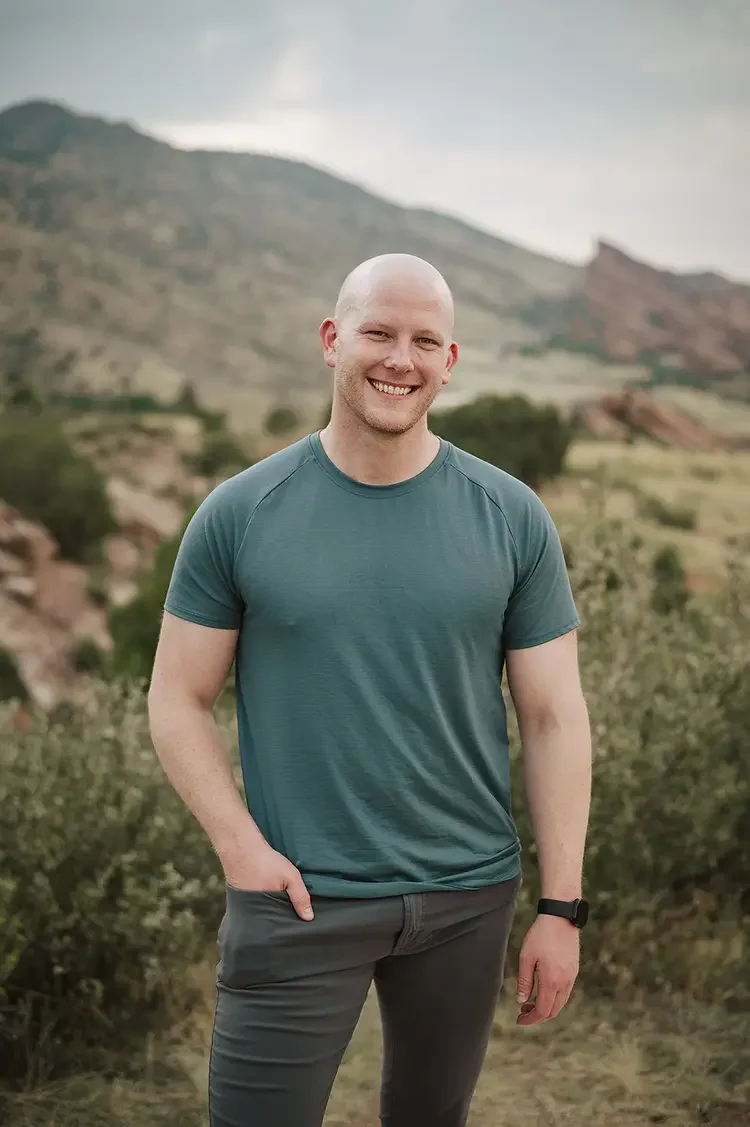
Physical Therapist Assistant
Sam Heller
Sam Heller is a Physical Therapist Assistant and Personal Trainer with more than a decade of coaching experience. He combines strength training and rehab to help clients move better, build confidence, and stay active, especially when pain or uncertainty around exercise gets in the way.
Outside of work, Sam enjoys biking, lifting, and keeping up with his young son.

Get Back to Doing What You Love
Whether you want to return to the gym, running, hiking, skiing, sports, or simply get through your day more comfortably, we’ll help you figure out a plan that makes sense.