
Physical Therapy for
Plantar Fasciitis
In Denver Colorado
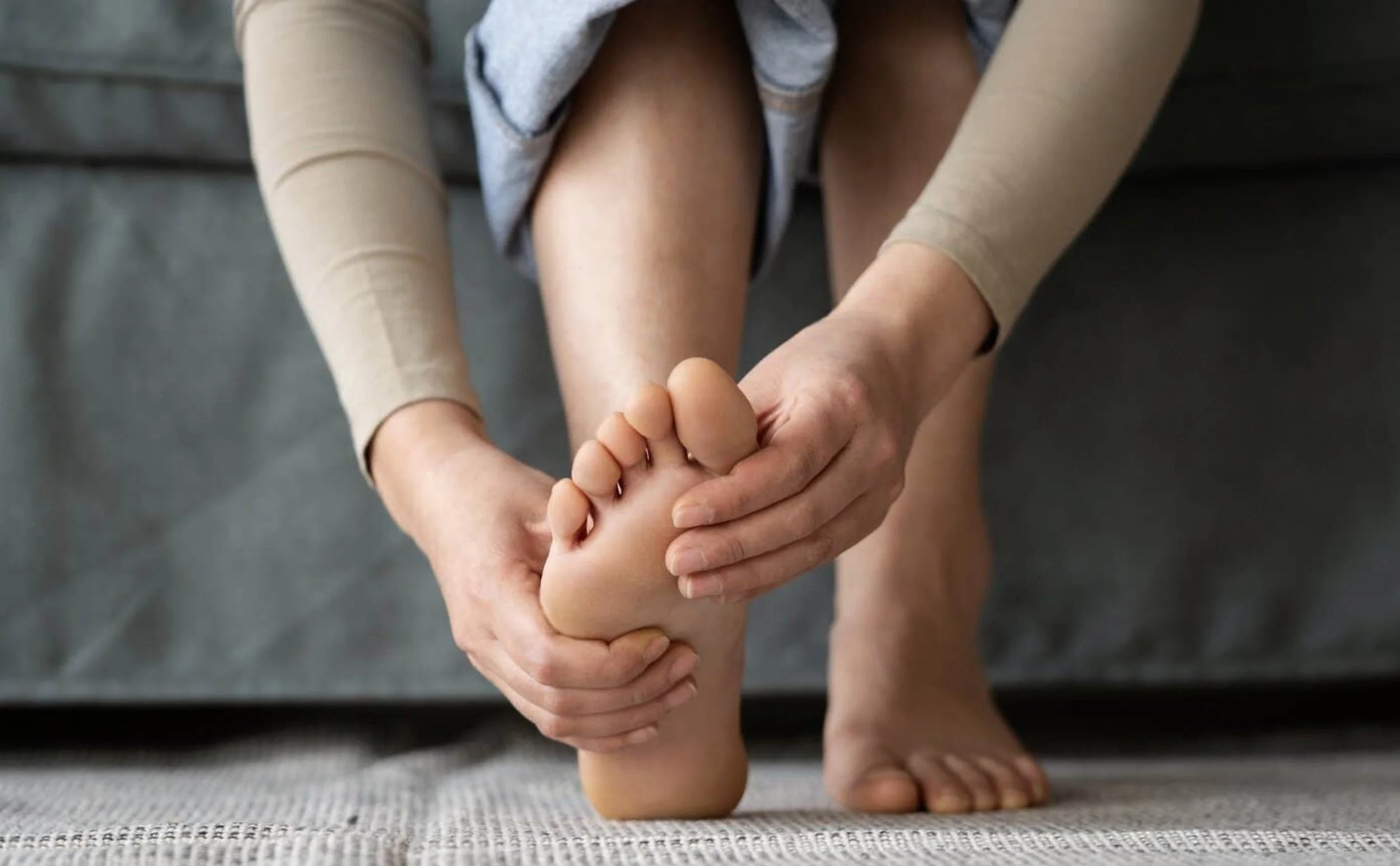
Plantar fasciitis can be one of those problems that starts small and slowly takes over more of your day than it should.
Maybe the first few steps in the morning are brutal. Maybe walking the dog, standing at work, running, or getting through a workout has become something you have to plan around. And if it has been going on for months, it can start to feel like nothing is actually changing.
At Get Back PT & Performance, we work with people dealing with chronic plantar fasciitis and heel pain who are tired of just resting, stretching, or waiting for it to go away.
The goal is to get you back to walking, training, running, and normal life without constantly thinking about your foot.
What Does Plantar Fasciitis Usually Feel Like?
Plantar fasciitis is usually felt along the bottom of the heel or arch of the foot.
Common symptoms include:
Heel pain with the first few steps in the morning
Pain after sitting for a while and then standing up
Discomfort after long periods of walking or standing
Pain that gets worse with running or higher-impact exercise
Tightness through the foot or calf
Symptoms that improve once you “warm up” but come back later
Heel pain that has stuck around for weeks or months
One of the frustrating things about plantar fasciitis is that it can improve just enough to make you think it is gone, then flare back up as soon as activity increases again.
Why Does Plantar Fasciitis Keep Coming Back?
Chronic heel pain usually is not just about needing to stretch more.
A lot of the time, the issue is that the foot and lower leg are being asked to handle more load than they are currently ready for. That can come from increases in walking, running, work demands, exercise, changes in footwear, or just returning to activity too quickly.
Strength matters too. The calf, foot, ankle, and rest of the leg all play a role in how force is handled when you walk, run, and stand.
That is why we do not look at the foot in isolation.
How We Treat Plantar Fasciitis
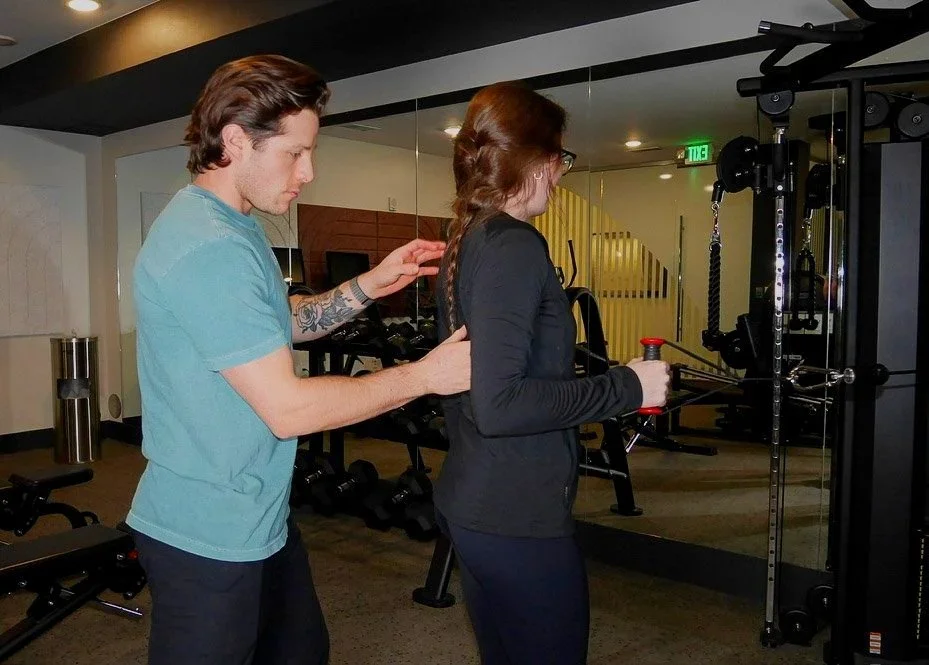
Treatment for plantar fasciitis at Get Back usually focuses on helping your foot tolerate more, not less.
Depending on what we find, that may include:
Calf and foot strengthening
Progressive loading of the plantar fascia
Ankle mobility work
Changes to walking, running, or training volume
Foot and lower-leg strength work
Manual therapy when useful
Dry needling when appropriate
Gradual return to running, hiking, or higher-impact activity
For chronic cases, the bigger goal is building capacity over time. Rest can calm symptoms down, but if you return to the exact same demands without changing anything, it is not surprising when the pain comes back.
Frequently Asked Questions
-
Yes. Physical therapy can help address strength, mobility, training load, and other factors that may be keeping your heel pain around. Chronic cases often need more than stretching and rest, especially if symptoms return every time activity increases.
-
The plantar fascia and surrounding tissues can feel stiff after being unloaded overnight. That is why the first few steps in the morning are often the worst, even if things loosen up after you start moving.
-
Usually, not completely. You may need to temporarily adjust how much walking, running, or impact activity you are doing, but total rest is not always the answer. The goal is to find a level of activity your foot can tolerate and build from there.
-
Sometimes. It depends on how irritable the symptoms are and how your foot responds to running. Some people can continue with modified mileage or intensity, while others need a short break from running before gradually building back up.
-
They can. Calf and foot strengthening are often an important part of improving how the foot handles load. The key is choosing the right amount and progressing it at a pace your symptoms can tolerate.
-
It varies quite a bit, especially when symptoms have been around for a long time. Chronic plantar fasciitis often takes longer than people expect because the goal is not just to reduce pain, but to build the foot back up so it can handle normal activity again.
-
Not always. Orthotics can be helpful for some people, but they are not automatically required. We look at the bigger picture first and decide whether footwear changes, inserts, strength work, or something else makes the most sense.
-
Yes. Get Back PT & Performance provides one-on-one physical therapy in Denver for plantar fasciitis, heel pain, and other foot and ankle issues. We focus on helping you get back to walking, running, exercise, and normal activity with a plan that actually fits your life.
Our Team

Dr. Brett Green
Founder | Physical Therapist & Personal Trainer
Brett Green, PT, DPT, is the founder of Get Back PT & Performance in Denver. He created Get Back to bridge the gap between rehab and getting back to the things people actually enjoy, whether that’s running, lifting, sports, or everyday life.
His approach combines physical therapy, strength training, and performance to help clients feel better, get stronger, and keep moving forward.

Physical Therapist Assistant
Sam Heller
Sam Heller is a Physical Therapist Assistant and Personal Trainer with more than a decade of coaching experience. He combines strength training and rehab to help clients move better, build confidence, and stay active, especially when pain or uncertainty around exercise gets in the way.
Outside of work, Sam enjoys biking, lifting, and keeping up with his young son.

Get Back to Doing What You Love
Whether you want to return to the gym, running, hiking, skiing, sports, or simply get through your day more comfortably, we’ll help you figure out a plan that makes sense.