
Return to Sport Training
In Denver Colorado
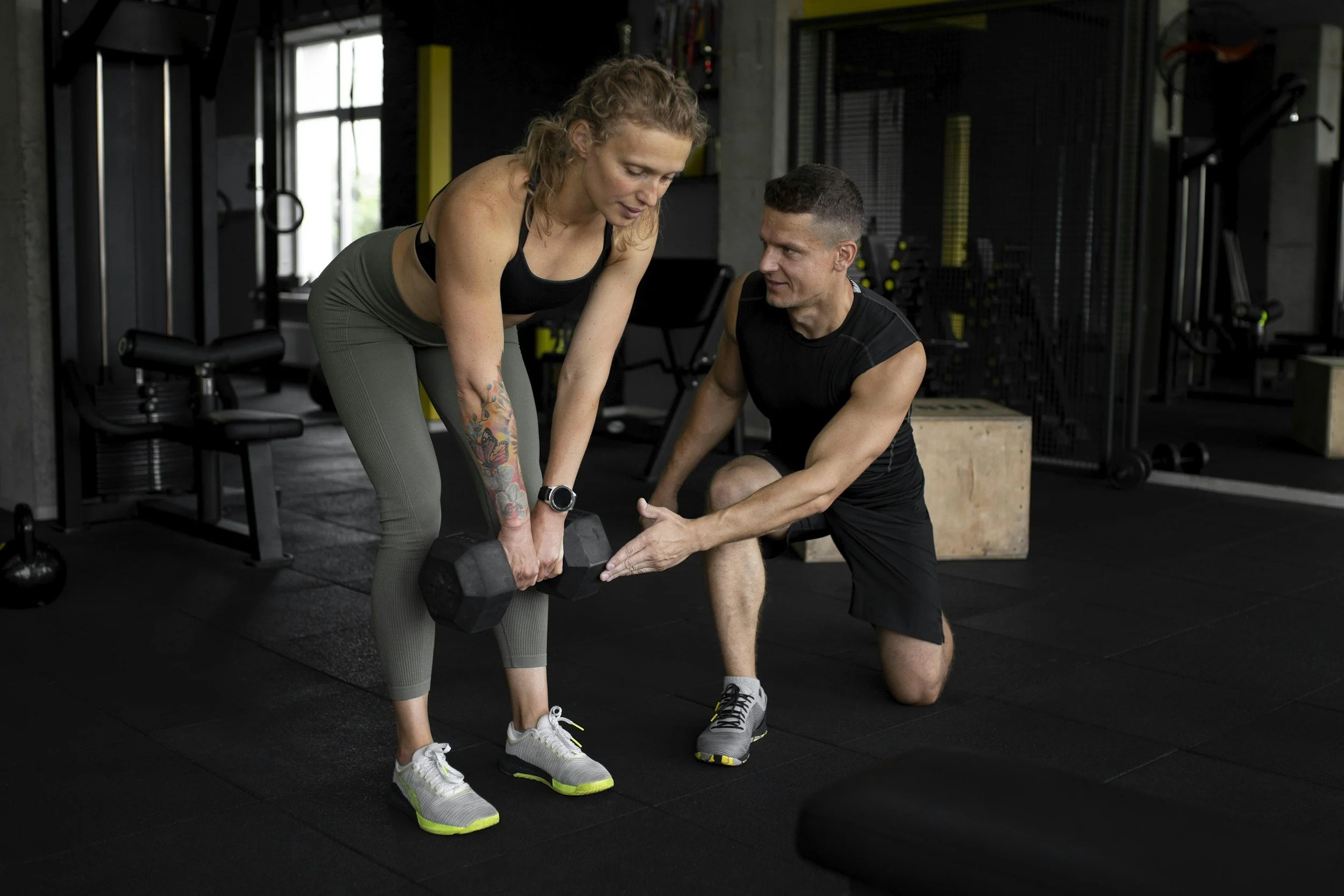
Finishing physical therapy and being ready for your sport are not the same thing.
I see this constantly. Someone tears their ACL, has surgery, does months of rehab, and gets discharged once they can walk, jog, and do the basics without pain. Then they're on their own to figure out how to get back to cutting, jumping, sprinting, skiing, or lifting heavy again. Most people either go back too soon or never quite trust that knee again.
Return to sport training at Get Back PT + Performance is built for that gap. I help athletes in Denver go from "cleared" to actually ready, with training run by a Doctor of Physical Therapy who understands both the injury and the demands of your sport.
Why Finishing Rehab Isn't the Same as Being Ready
Here's the problem with the traditional model. Insurance based PT usually stops once you hit "medically necessary," which tends to land somewhere around 80% back to normal. You can walk fine and the swelling's gone, so your visits run out.
But your sport doesn't care about 80%. A soccer player needs a knee that can handle cutting at full speed. A skier needs legs that can absorb a bad landing on day five of a ski trip. A lifter needs a shoulder that's comfortable under a heavy bar. That last 20% is where most reinjuries come from, and it's where most people get left on their own.
When Can You Return to Sport After ACL Surgery?
The honest answer is: it depends on more than the calendar. But the research gives us some really useful guardrails.
One of the best known studies on this (Grindem et al., 2016) followed 106 athletes after ACL reconstruction. Athletes who returned to sport without passing return to sport criteria, including quad strength within 10% of the other leg and a set of hop tests, reinjured their knee at a much higher rate (38%) than those who passed all five criteria (5%). The same study found that for each month return to sport was delayed, up to 9 months after surgery, the reinjury rate dropped by about half.
So both things matter. Time, so the graft and your body can adapt. And objective strength and function, so you're not guessing. Feeling good is a great sign, but it isn't the same as being ready. Your surgeon and rehab team should always be part of that decision, and I'm happy to coordinate with them.
Is Return to Sport Training Right for You?
This is a good fit if:
You've had ACL reconstruction and finished formal rehab
You're coming back from shoulder surgery, like a labral repair or stabilization
You've had hip arthroscopy or hip labral surgery
You've been "cleared" but don't feel ready
Your injured side still feels weaker or less trustworthy than the other one
Your insurance visits ran out before you were done
You want to get back to your sport and stay there
Whether you play competitively, in a rec league, or you just want to ski, run, and lift without thinking about your knee, the process is the same: build capacity until your body is ready for what you're asking of it.
How We Train Athletes After Injury
We start by testing where you are, not guessing. Then we build a plan that progresses toward the specific demands of your sport.
Your plan may include:
Strength testing to compare your injured and uninjured sides
Progressive heavy strength training for the muscles that protect the joint
Jumping, landing, and plyometric progressions
Speed, agility, and change of direction work
Sport specific drills, from cutting and pivoting to throwing and overhead work
Conditioning so fatigue doesn't become the weak link
Objective benchmarks so you know when you're ready for the next step
Some athletes train with us several times a week. Others come in less often and do the rest of their program on their own. We'll find the setup that fits your schedule and budget.

Physical Therapy and Performance Training Under One Roof
Most athletes end up bouncing between a clinic that knows their injury and a gym that knows training. Neither one has the full picture. The trainer has never seen your imaging, and the clinic isn't set up to get you jumping and sprinting.
Because Get Back is both a physical therapy clinic and a performance gym, the same person can take you from where rehab left off all the way back to full performance. If your knee flares up or something feels off, we adjust the plan without starting over somewhere new.
Training Built Around Your Sport
A skier, a soccer player, a pickleball player, and a powerlifter need very different things from the same knee. Your training should reflect the sport, the position, and the level you're getting back to.
Related reading: Physical Therapist vs. Personal Trainer: Why You Might Need Both · The Return-to-Running Roadmap After an Injury
Frequently Asked Questions About Return to Sport Training
-
It depends on more than time. Research suggests waiting at least 9 months after surgery and passing objective return to sport testing, including quad strength and hop tests, can significantly lower your reinjury risk. Your surgeon and rehab team should be part of that decision.
-
It's very common. Strength differences between legs often last well past the end of formal rehab. That's exactly what this phase of training is meant to address.
-
It's a set of objective tests, usually including strength comparisons between legs, hop tests, and movement quality assessments, used to judge whether you're ready for the demands of your sport. We use testing like this to guide your progressions.
-
Common ones include ACL reconstruction, meniscus surgery, shoulder labral repairs and stabilizations, hip labral surgery, ankle sprains, and hamstring strains.
-
No. Whether you're a high school athlete, a weekend warrior, or someone who just wants to ski and hike without worrying about your knee, the goal is the same: get you strong enough to do what you love.
-
Yes. I'm happy to coordinate with your surgeon or current physical therapist so your training lines up with any restrictions or protocols.
-
It can be either, depending on where you are in recovery. If you still need physical therapy, we provide that. Once you've finished rehab, return to sport training continues as personal training.
-
It varies by injury, sport, and where you're starting. Many athletes train with us for several months to rebuild strength and work through sport specific progressions.
-
Yes. Get Back PT + Performance offers one-on-one return to sport training at our Jefferson Park studio in Denver, close to Highlands, LoHi, and Sloan's Lake, with virtual programming available.
-
Return to sport training is priced the same as our personal training sessions. You can find current pricing on our personal training page.
Our Team
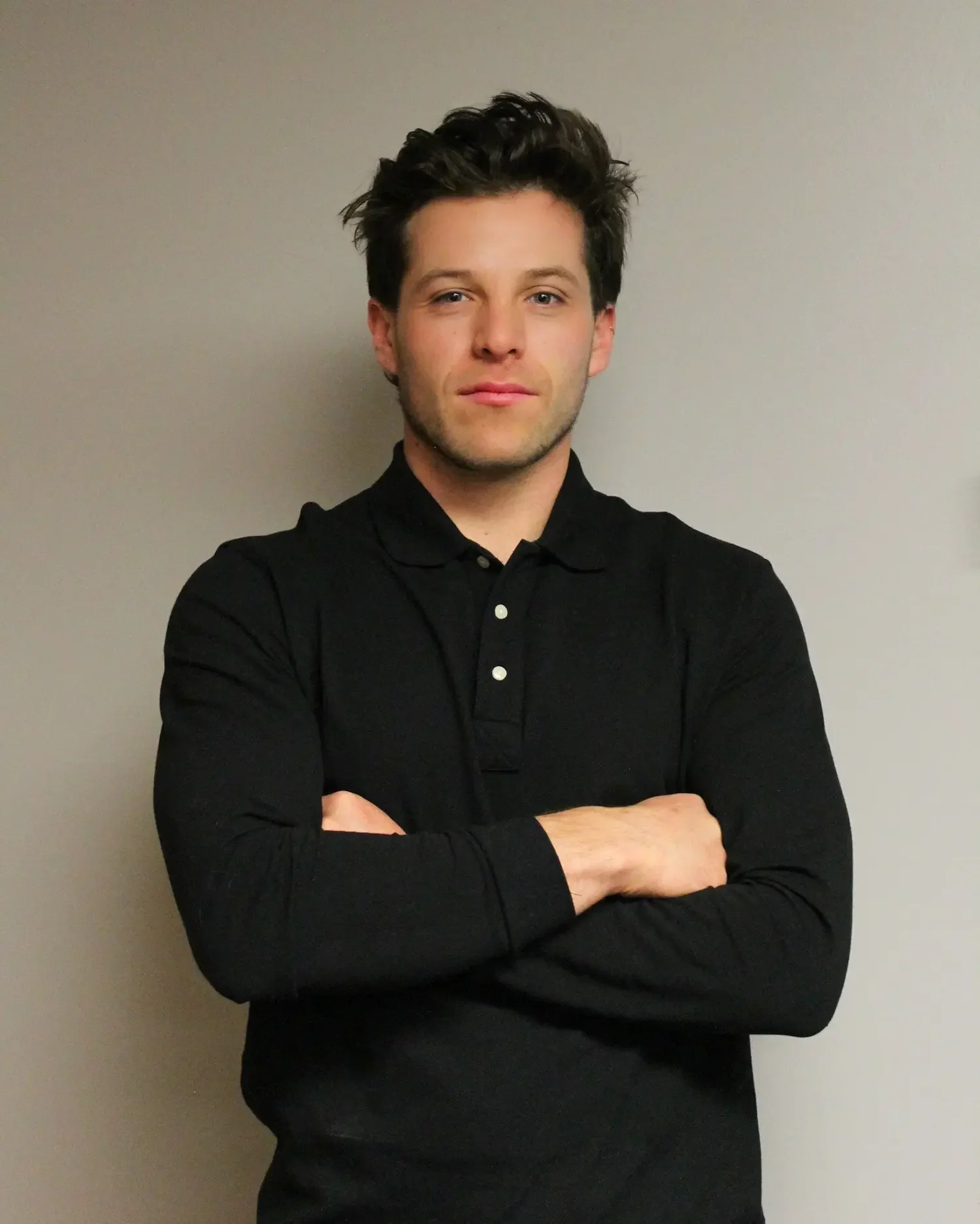
Dr. Brett Green
Founder | Physical Therapist & Personal Trainer
Brett Green, PT, DPT, is the founder of Get Back PT & Performance in Denver. He created Get Back to bridge the gap between rehab and getting back to the things people actually enjoy, whether that’s running, lifting, sports, or everyday life.
His approach combines physical therapy, strength training, and performance to help clients feel better, get stronger, and keep moving forward.
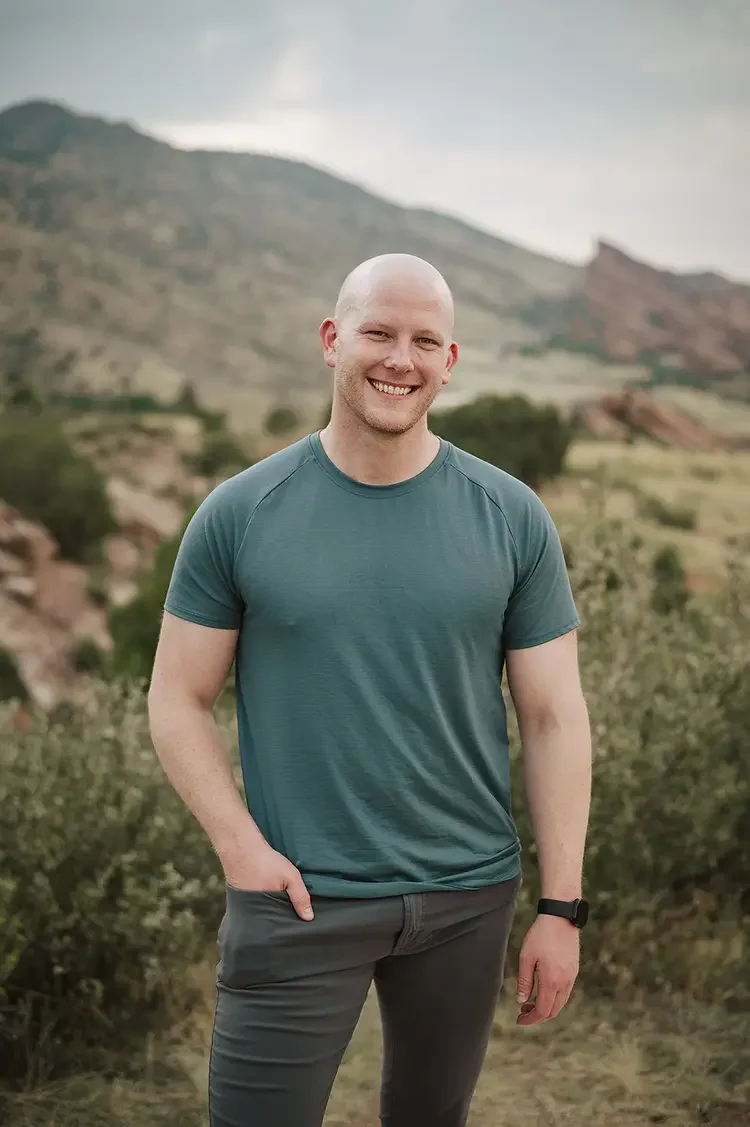
Physical Therapist Assistant
Sam Heller
Sam Heller is a Physical Therapist Assistant and Personal Trainer with more than a decade of coaching experience. He combines strength training and rehab to help clients move better, build confidence, and stay active, especially when pain or uncertainty around exercise gets in the way.
Outside of work, Sam enjoys biking, lifting, and keeping up with his young son.

Get Back to Doing What You Love
Whether you want to return to the gym, running, hiking, skiing, sports, or simply get through your day more comfortably, we’ll help you figure out a plan that makes sense.