
Osteoporosis Strength Training
In Denver Colorado
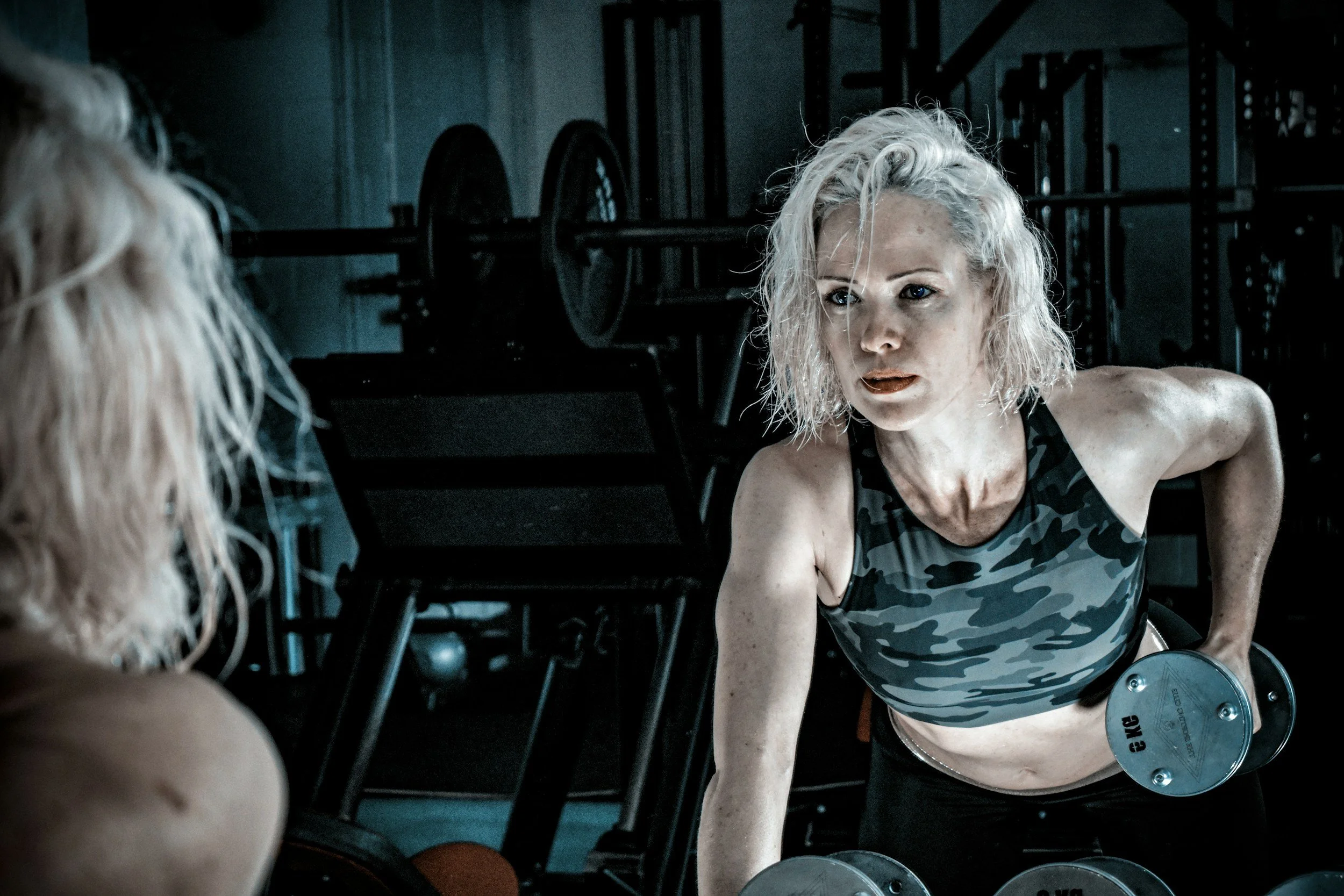
I hear a version of this all the time: "I just got my DEXA results back, and my doctor told me to be careful." Don't lift anything heavy. Don't bend over. Definitely don't fall.
I understand where that advice comes from. A fracture is a big deal. But for most people with osteoporosis or osteopenia, "be careful" ends up meaning "do less," and doing less is usually what makes things worse. Muscles get weaker, balance slips, and everyday stuff like carrying groceries or getting up off the floor starts to feel riskier than it needs to.
At Get Back PT + Performance, I help people in Denver with low bone density get stronger the right way: progressive, well coached strength training built around your bone density, your fracture history, and what you want to keep doing for the next 30 years.
Can You Lift Weights With Osteoporosis?
For most people, yes. In fact, strength training is one of the best things you can do for your bones, as long as it's progressed thoughtfully and coached well.
The research that changed how a lot of clinicians think about this is the LIFTMOR trial (Watson et al., 2018). Researchers took 101 postmenopausal women with low bone mass and had half of them do supervised, high intensity resistance and impact training: deadlifts, squats, overhead presses, and jumping chin ups, twice a week for 30 minutes. After 8 months, that group's lumbar spine bone density went up about 2.9%, while the low intensity home exercise group's went down about 1.2%. The heavier lifting group also gained a little height and did better on every functional test. And it was well tolerated, with one minor back spasm reported across the whole training group.
I'm not going to oversell it. That was a highly supervised program in women without other major health issues, and not everyone should jump straight into heavy deadlifts. But it's a strong signal that the "light weights only" approach a lot of people get handed is often too timid to make bone and muscle adapt.
Is Osteoporosis Strength Training Right for You?
This is a good fit if:
You've been diagnosed with osteoporosis or osteopenia
A DEXA scan showed your bone density is lower than you'd like
You've been told to "do some weight bearing exercise" but don't know what that actually means
You're nervous about lifting because of your bones
You've had a fracture and want to rebuild confidence
You want to stay strong, independent, and active as you get older
You don't need any gym experience. A lot of the people I work with have never touched a barbell. We start where you are.
Why Strength Training Matters for Bone Health
Bone is living tissue, and it responds to load. When your muscles pull on your bones and you put force through your skeleton, your body gets a signal to maintain or build bone. Take that signal away, and bone (and muscle) gradually fade.
That's why the type of exercise matters. Walking is great for your heart and your mood, but for most adults it isn't a big enough stimulus to change bone density on its own. Bone tends to respond best to loads that are heavier than what it's used to and to impact that's appropriate for your situation.
There's another piece that gets overlooked: falls. Most fractures happen because of a fall. Strength training builds the leg strength, balance, and reaction time that help keep you from falling in the first place, and help you catch yourself when you trip. For a lot of people with osteoporosis, that matters just as much as the number on the DEXA scan.
What Does an Osteoporosis Exercise Program Look Like?
Current guidelines line up pretty well with what we do. The UK consensus statement on exercise and osteoporosis, "Strong, Steady and Straight" (2019), recommends muscle strengthening exercise two to three days a week with loads built up gradually, plus impact activity on most days for people where it's appropriate, and spine friendly movement habits.
Here's what your plan might include:
A baseline assessment of strength, balance, posture, and how you move
Progressive resistance training two to three days a week, with weights that actually challenge you
Gradual impact work, like jumping or stomping, when it's right for you
Balance and fall prevention training
Practice with real life tasks: picking things up off the floor, carrying, getting up and down from the ground
Spine friendly exercise choices, with extra care around heavy lifting with a rounded back
Tracking strength and function over time, not just your next scan
Some people want every session coached. Others want me to build the program, teach them the lifts, and then train more on their own. Both work.

What Exercises Should You Avoid With Osteoporosis?
This is one of the most common questions I get, and the answer is less scary than people expect.
The main thing most guidelines suggest limiting is a lot of forward spinal bending under load, especially fast or repeated: toe touches, sit ups, and picking heavy things up with a rounded back. That doesn't mean you can never bend over. It means learning how to hinge, squat, and lift in ways that suit your spine, which is exactly the kind of thing we practice in sessions.
If you've already had a vertebral fracture or you're more frail, the plan changes. Impact gets scaled back, exercise selection gets more specific, and progressions move slower. That's where having a physical therapist running your training really helps.
Strength Training After an Osteoporotic Fracture
If you've had a spine, hip, or wrist fracture, you probably feel more hesitant than ever, and that makes sense. The good news is that exercise is still recommended after most fractures. It just needs to be more individualized.
Because Get Back combines physical therapy and personal training, I can look at your fracture history, pain, and movement the way a clinician would, then progress you the way a strength coach would. When needed, I'm happy to coordinate with your physician.
Strength Training Works Alongside Your Medical Care
Strength training isn't a replacement for medication or medical follow up. Whether you're on a bone medication or not, decisions about it belong with your physician. Think of training as the part of the plan you control: building muscle, protecting your balance, and giving your bones a reason to stay strong.
Related reading: The Importance of Weight Lifting for People Over 60 · Personal Training for Older Adults
Frequently Asked Questions About Osteoporosis Strength Training
-
For most people, yes, when the training is well coached and progressed gradually. In the LIFTMOR trial, supervised high intensity resistance and impact training was well tolerated in postmenopausal women with low bone mass and improved spine bone density. Your program should match your bone density, fracture history, and experience, and it's a good idea to check in with your physician before you start.
-
It can help. Progressive resistance and impact training have been shown to maintain or modestly improve bone density in many people, especially at the spine. Just as important, it improves strength and balance, which lowers your risk of falling and breaking a bone.
-
Two to three strength sessions per week is a good target for most people, which matches current guidelines. Some people start with one coached session a week and build from there.
-
Most guidelines suggest limiting movements that combine a lot of forward spinal bending with load, like toe touches, sit ups, or lifting heavy objects with a rounded back. That doesn't mean you can never bend. It means learning to move and lift in ways that suit your spine.
-
Walking is great for overall health, but for most adults it isn't a strong enough stimulus to improve bone density by itself. Adding progressive strength training and, when appropriate, some impact work gives your bones a bigger reason to adapt.
-
Yes. Osteopenia is a great time to start. Building strength and bone health now can help keep things from progressing.
-
Exercise works alongside medical care, not instead of it. Any decisions about medication should be made with your physician.
-
Yes. Get Back PT + Performance offers one-on-one osteoporosis and osteopenia strength training at our Jefferson Park studio in Denver, close to Highlands, LoHi, and Sloan's Lake, with in-home and virtual options available.
-
No. Personal training doesn't require a referral. I do recommend keeping your physician in the loop about your exercise plan.
-
No. Personal training is paid out of pocket and isn't billed to insurance or Medicare. You can find current pricing on our personal training page.
Our Team
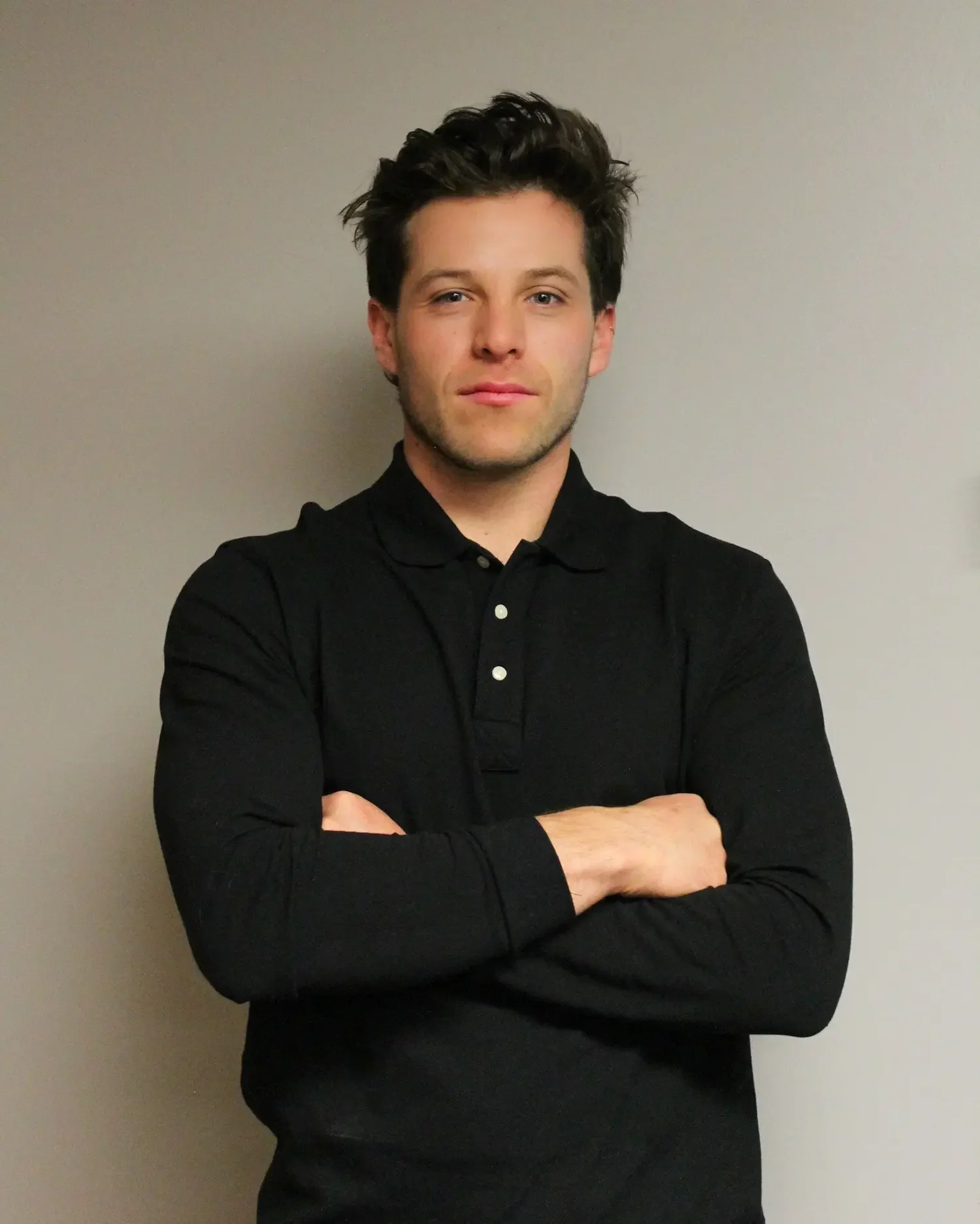
Dr. Brett Green
Founder | Physical Therapist & Personal Trainer
Brett Green, PT, DPT, is the founder of Get Back PT & Performance in Denver. He created Get Back to bridge the gap between rehab and getting back to the things people actually enjoy, whether that’s running, lifting, sports, or everyday life.
His approach combines physical therapy, strength training, and performance to help clients feel better, get stronger, and keep moving forward.
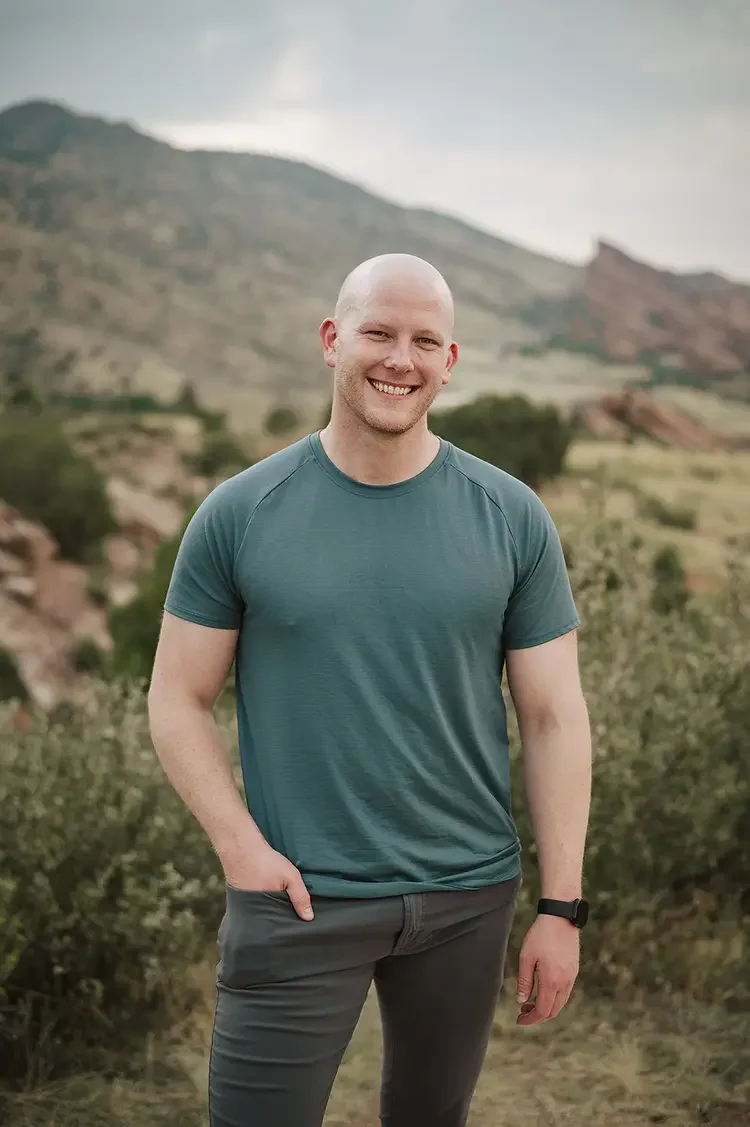
Physical Therapist Assistant
Sam Heller
Sam Heller is a Physical Therapist Assistant and Personal Trainer with more than a decade of coaching experience. He combines strength training and rehab to help clients move better, build confidence, and stay active, especially when pain or uncertainty around exercise gets in the way.
Outside of work, Sam enjoys biking, lifting, and keeping up with his young son.

Get Back to Doing What You Love
Whether you want to return to the gym, running, hiking, skiing, sports, or simply get through your day more comfortably, we’ll help you figure out a plan that makes sense.