
Personal Training for Snowboarders
In Denver Colorado
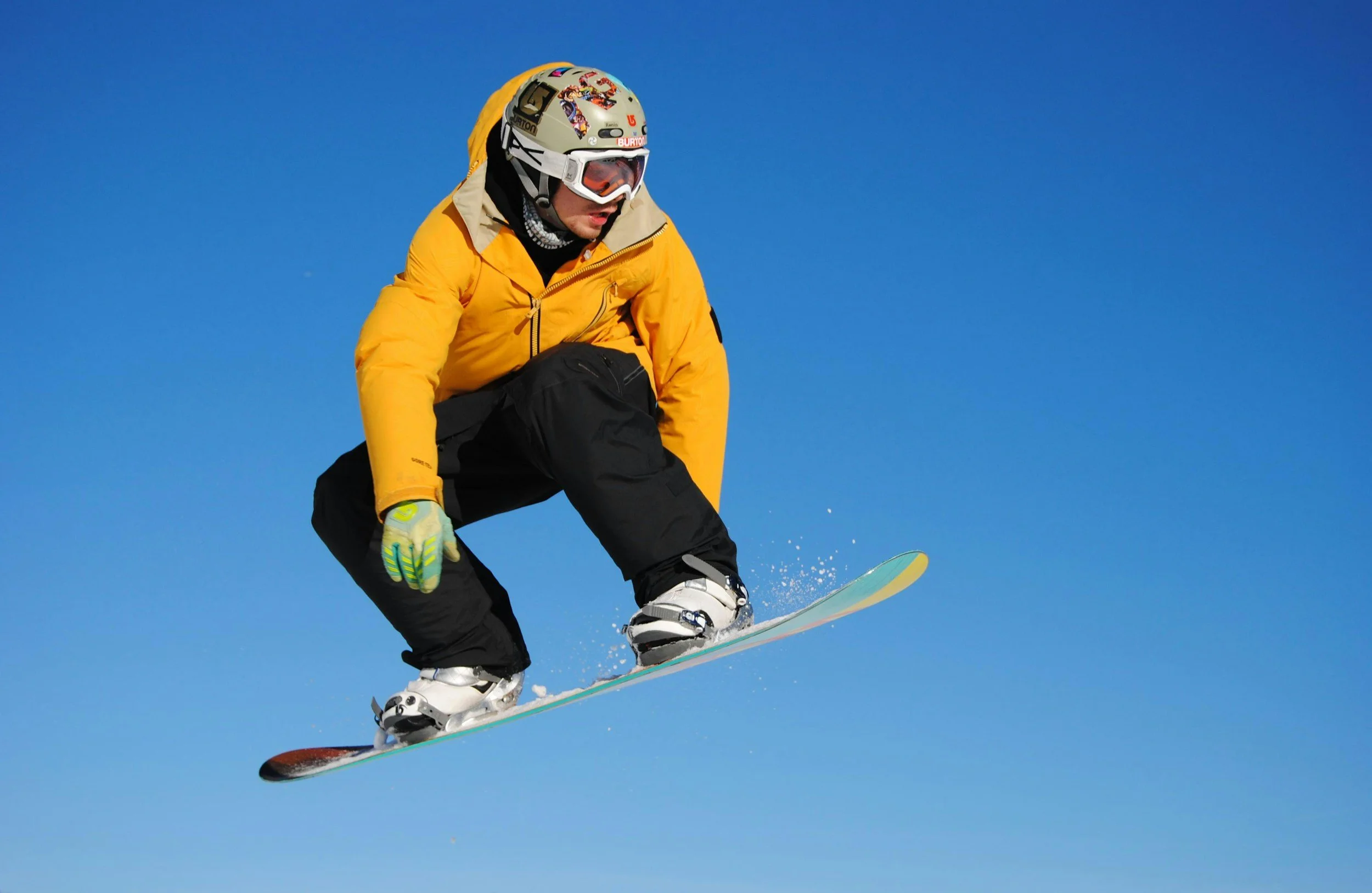
Snowboarding asks a lot of your body. Your legs are in a half squat all day. Your core is working to keep you balanced on an edge. And when you fall, your wrists and shoulders usually take the hit.
Most riders don't train for any of that. They just ride, and hope their body keeps up.
At Get Back PT + Performance, I help snowboarders in Denver build the strength and control to ride longer, try harder terrain, and bounce back better from the falls that come with the sport. As a Doctor of Physical Therapy and strength coach, I know where snowboarders get hurt and how to prepare for it.
Snowboarding Injuries Are Different From Skiing Injuries
Skiers tend to hurt their knees. Snowboarders tend to hurt their upper body.
A 2018 review in the Open Access Journal of Sports Medicine (Helmig et al.) found that falls cause 80% to 90% of snowboarding injuries, and the upper body is the most common injury site for recreational riders. Wrist injuries alone made up 27.6% of injuries in one study, mostly from putting a hand down when falling backward. Shoulder dislocations, collarbone fractures, and AC joint injuries are also common, especially in the terrain park.
That means a good snowboard program needs more than leg day.
Is Personal Training for Snowboarders Right for You?
This is a good fit if:
You want to get your body ready before snowboard season starts
Your legs and back are toast after a few hours of riding
You've had a wrist, shoulder, or knee injury from snowboarding and want to ride confidently again
You want to start riding the park, trees, or steeper terrain
You're getting back on a board after years away
You want to keep riding well into your 40s, 50s, and beyond
If you're dealing with a current injury or recently had surgery, start with a physical therapy evaluation. We can help with that too.
Building a Body That Handles Falls Better
You're going to fall on a snowboard. Everyone does. The goal is to have a body that can handle it better.
Strength training can't stop a wrist fracture from a hard fall, and I won't pretend it can. But stronger shoulders, upper back, and forearms give your joints more support. And practicing how to get up, catch yourself, and move on the ground builds confidence.
The best evidence for protecting your wrists is simple: wear wrist guards. A systematic review (Russell et al., 2007) found that wrist guards cut the risk of wrist injury among snowboarders by about 77%. Pair them with a helmet and good strength, and you're stacking the odds in your favor.

How We Train Snowboarders
We start with your riding goals, your injury history, and how you move. Then we build a plan around your season.
Your plan may include:
Leg strength for holding a low stance all day
Single leg strength and balance for edge control
Rotational core strength and trunk control
Shoulder, upper back, and forearm strength
Jumping and landing practice if you ride the park
Hip and ankle mobility for a comfortable stance
Conditioning so your legs last until last chair
Preseason is the best time to build strength, but it's never too late to start. During the season, one or two sessions a week can help you keep your strength. You can train with us in person at our Jefferson Park studio, at home, or virtually.
Physical Therapy and Personal Training Under One Roof
If you get hurt on the mountain, you don't have to start over with a new provider. Physical therapy and personal training happen at Get Back, so we can take you from rehab back to riding with confidence.
Related reading: 30 Days to Vail Opening Day: Your Couch-to-Summit Snowboard Workout Plan · Denver Winter Fitness: How to Stay Active (and Injury-Free) When It's Cold
Frequently Asked Questions About Personal Training for Snowboarders
-
Upper body injuries are most common in recreational riders, especially wrist sprains and fractures. Shoulder dislocations, collarbone fractures, and knee and ankle injuries also happen. Most snowboarding injuries come from falls.
-
Squats, split squats, single leg work, rotational core training, and shoulder and upper back strength are common staples. Jumping and landing practice helps if you ride the park.
-
It can help your body handle the demands of riding, but it can't prevent every injury, especially from hard falls. Wrist guards, helmets, and riding within your ability matter too.
-
Research shows wrist guards significantly reduce wrist injuries in snowboarders. They're one of the simplest things you can do to protect yourself.
-
Holding a low stance on an edge for hours is hard on your legs, hips, and back. Building strength and endurance in those areas usually helps a lot.
-
Ideally 6 to 8 weeks or more before your first day on the mountain. But it's never too late. Training during the season still helps.
-
Many people do. Returning safely usually takes a progressive plan to rebuild strength, range of motion, and confidence. We can help you get there.
-
Yes. Get Back PT + Performance offers one-on-one personal training for snowboarders at our Jefferson Park studio in Denver, close to Highlands, LoHi, and Sloan's Lake, with in-home and virtual options available.
-
No. Personal training does not require a referral.
-
Personal training for snowboarders is priced the same as our regular personal training sessions. You can find current pricing on our personal training page.
Our Team

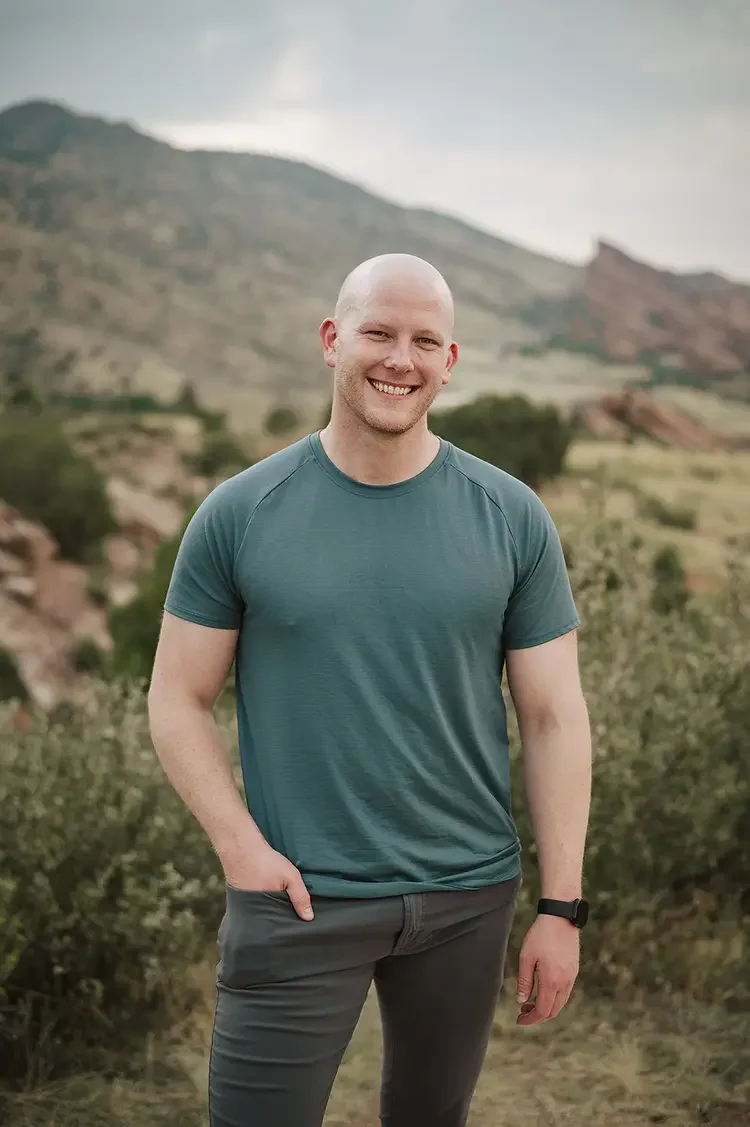
Dr. Brett Green
Founder | Physical Therapist & Personal Trainer
Brett Green, PT, DPT, is the founder of Get Back PT & Performance in Denver. He created Get Back to bridge the gap between rehab and getting back to the things people actually enjoy, whether that’s running, lifting, sports, or everyday life.
His approach combines physical therapy, strength training, and performance to help clients feel better, get stronger, and keep moving forward.
Physical Therapist Assistant
Sam Heller
Sam Heller is a Physical Therapist Assistant and Personal Trainer with more than a decade of coaching experience. He combines strength training and rehab to help clients move better, build confidence, and stay active, especially when pain or uncertainty around exercise gets in the way.
Outside of work, Sam enjoys biking, lifting, and keeping up with his young son.
Get Back to Doing What You Love
Whether you want to return to the gym, running, hiking, skiing, sports, or simply get through your day more comfortably, we’ll help you figure out a plan that makes sense.