
Personal Training for Older Adults
In Denver Colorado
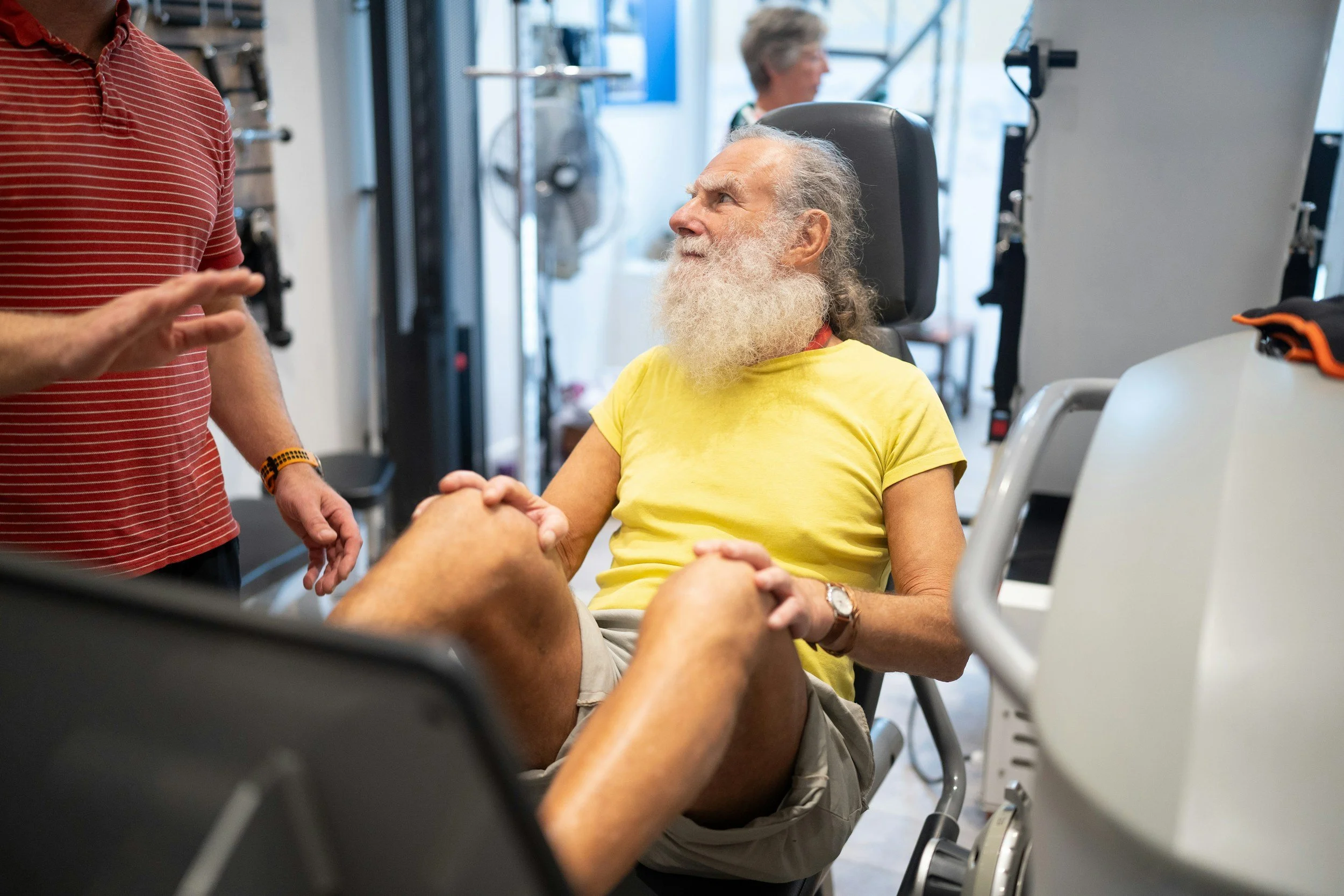
Getting older doesn't mean you have to get weaker.
I work with a lot of people in their 50s, 60s, 70s, and beyond, and what they want is pretty simple: keep hiking, keep traveling, keep up with the grandkids, carry their own groceries, and not have to think twice about stairs. Strength, balance, and confidence are what make all of that possible, and the good news is that all three can be trained at any age.
At Get Back PT + Performance, I help adults 50 and over in Denver get stronger safely, with coaching from a Doctor of Physical Therapy who understands aging joints, old injuries, and how to progress without getting hurt.
Is It Too Late to Start Strength Training?
No, and the research on this is honestly one of my favorite things to share.
In a classic study (Fiatarone et al., 1990), nursing home residents between 87 and 96 years old did eight weeks of strength training. Their leg strength went up by an average of 174%. These weren't athletes. Many of them were frail. And they still got dramatically stronger in two months.
I'm not saying you'll gain 174% in eight weeks. But the takeaway is clear: your muscles still respond to training no matter how old you are. The best time to start was years ago. The second best time is now.
Why Strength Training Matters as You Age
Muscle and strength naturally decline with age, and that loss shows up in everyday life: getting out of a low chair, climbing stairs, catching yourself when you trip on a curb.
Falls are the big one. According to the CDC, about 1 in 4 adults 65 and older report falling each year, and falls are the leading cause of injury in that age group. A large Cochrane review (Sherrington et al., 2019) found that exercise programs reduced the rate of falls in older adults by about 23%, with balance and functional exercise showing the strongest evidence.
That's why the Physical Activity Guidelines for Americans recommend that older adults do muscle strengthening activities at least two days a week, along with aerobic activity and balance training. Strength isn't a bonus. It's what keeps you independent.
Is Personal Training for Older Adults Right for You?
This is a good fit if:
You're 50 or older and want to get stronger
You've never lifted weights, or it's been years
Stairs, getting off the floor, or carrying things has started to feel harder
You're worried about falling or you've had a fall
Arthritis, a joint replacement, or an old injury has made you hesitant to exercise
You want to stay active for hiking, skiing, golf, pickleball, or travel
You want a plan that fits your health history, not a generic boot camp class
You don't need to be in shape to start. That's what we're here for.
How We Train Older Adults
We start with a conversation and an assessment. I look at your health history, medications, joints, strength, balance, and most importantly, what you want to be able to do.
Your plan may include:
A baseline assessment of strength, balance, and mobility
Progressive strength training two to three days per week
Balance and fall prevention work
Practice with real life tasks like getting up from the floor, carrying, and stairs
Modifications for arthritis, joint replacements, or old injuries
Conditioning to support hiking, travel, and the activities you love
Tracking real progress over time, so you can see how far you've come
Some clients want every session coached. Others want me to design the program and teach them to train on their own. Both are great options.

Training Around Arthritis, Pain, and Old Injuries
A lot of people put off strength training because something already hurts. I hear "I'm bone on bone, so I can't do that" all the time, and in most cases it's the opposite. Movement helps joints feel better, and stronger muscles take load off of them. Less movement usually means more stiffness, more pain, and more fear, not less.
Because Get Back combines physical therapy and personal training, I can adjust exercises around pain and limitations instead of simply telling you to stop. The goal is to find what you can do today and build from there.
In-Studio or In-Home Personal Training
You can train with us at our private studio in Jefferson Park, close to Highlands, LoHi, and Sloan's Lake, or we can come to you with mobile personal training throughout the Denver metro. Our studio is one-on-one, so there's no crowded gym floor, no loud music, and no pressure.
Related reading: Training Through Your 30s, 40s, and Beyond · Osteoporosis Strength Training
Frequently Asked Questions About Personal Training for Older Adults
-
For most people, yes. National guidelines recommend strength training for older adults, and it can be adjusted to almost any starting point. If you have heart, lung, or other significant health conditions, check in with your physician before starting.
-
The Physical Activity Guidelines for Americans recommend muscle strengthening activities at least two days per week, plus balance training and aerobic activity. Many of our clients train two to three days a week.
-
Yes. Exercise programs, especially those with balance and functional training, have been shown to reduce falls in older adults by about 23%. Stronger legs also help you react and recover when you do lose your balance.
-
Usually, yes. Exercise is a recommended part of managing arthritis, and plenty of people with joint replacements strength train regularly. We modify exercises to fit your joints.
-
Not at all. We train one-on-one in a private studio, so there's no crowd and no pressure. Many of our clients are brand new to strength training.
-
Yes. Get Back PT + Performance offers one-on-one personal training for adults 50 and over at our Jefferson Park studio in Denver, with in-home options throughout the metro and virtual training.
-
Yes. We offer mobile personal training throughout the Denver metro area for clients who prefer to train at home.
-
Let us know during your first conversation. Our team has physical therapy backgrounds, so we're comfortable working with people who have health conditions, and we'll coordinate with your physician when needed.
-
No. Personal training is paid out of pocket and isn't billed to insurance or Medicare. You can find current pricing on our personal training page.
-
No. Personal training doesn't require a referral.
Our Team

Dr. Brett Green
Founder | Physical Therapist & Personal Trainer
Brett Green, PT, DPT, is the founder of Get Back PT & Performance in Denver. He created Get Back to bridge the gap between rehab and getting back to the things people actually enjoy, whether that’s running, lifting, sports, or everyday life.
His approach combines physical therapy, strength training, and performance to help clients feel better, get stronger, and keep moving forward.
Physical Therapist Assistant
Sam Heller
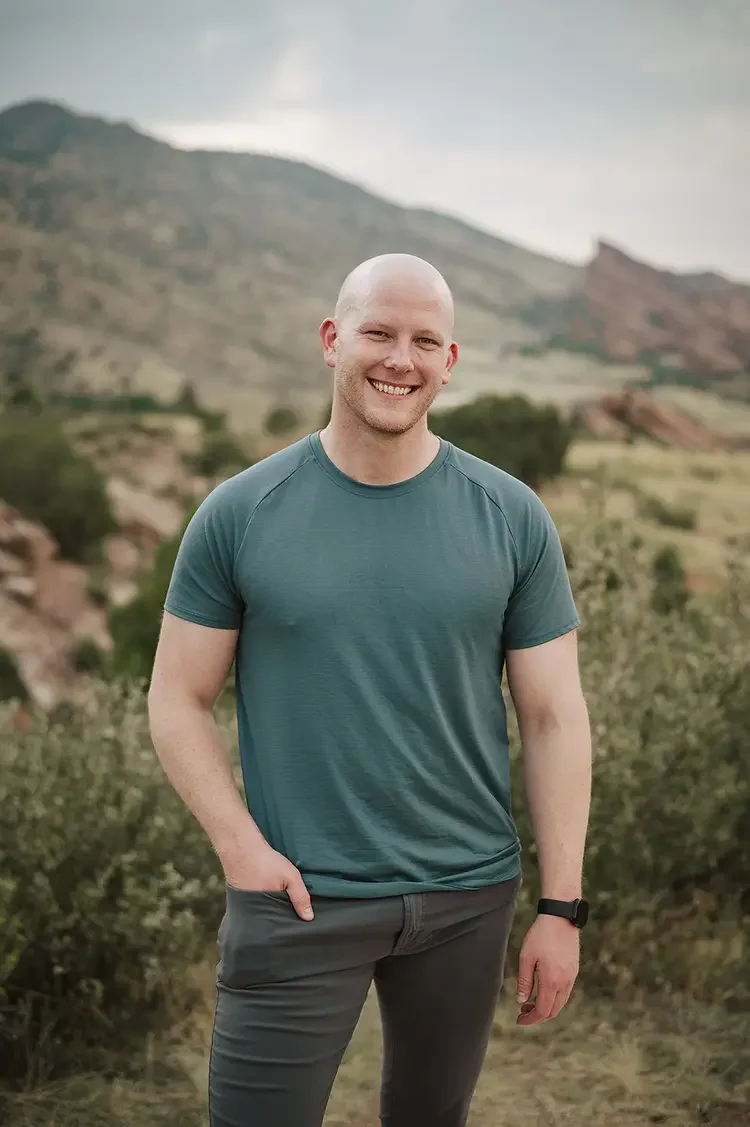
Sam Heller is a Physical Therapist Assistant and Personal Trainer with more than a decade of coaching experience. He combines strength training and rehab to help clients move better, build confidence, and stay active, especially when pain or uncertainty around exercise gets in the way.
Outside of work, Sam enjoys biking, lifting, and keeping up with his young son.

Get Back to Doing What You Love
Whether you want to return to the gym, running, hiking, skiing, sports, or simply get through your day more comfortably, we’ll help you figure out a plan that makes sense.