
Mobility Training
In Denver Colorado
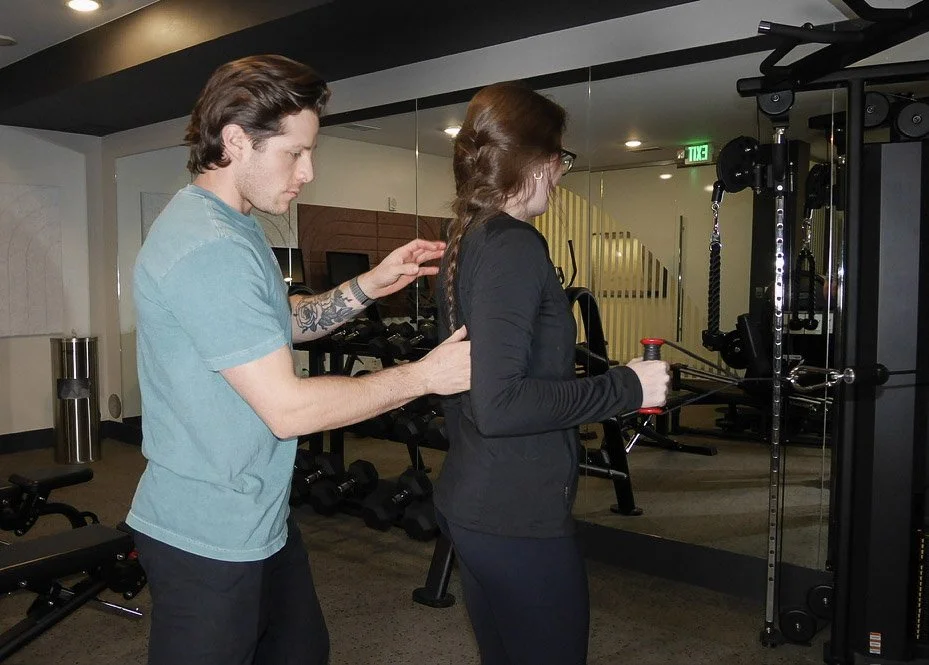
Most people who tell us they need "more mobility" have already tried the obvious stuff. They've done the YouTube stretching routines, bought the foam roller, and maybe tried a yoga class or two.
And they still feel stiff.
At Get Back PT + Performance, we help people in Denver build mobility that actually sticks. Led by a Doctor of Physical Therapy and strength coach, we look at why you feel tight in the first place, then build a plan that gets you moving better in the positions you care about, whether that's a deeper squat, an overhead press that doesn't pinch, or just getting off the floor without thinking about it.
Not sure yet? Book a free 15-minute discovery call.
What Is Mobility, Really?
Flexibility is how far a joint can be moved. Mobility is how much of that range you can actually control and use.
That difference matters. Plenty of people can get into a deep position when they're relaxed on the floor, but can't get there (or don't feel stable there) when they're standing, lifting, or moving fast. Good mobility training builds both: more range, and strength and control inside that range.
Is Mobility Training Right for You?
This is a good fit if:
You feel stiff in your hips, back, shoulders, or ankles no matter how much you stretch
You can't get into the positions you want for lifting, like a deep squat or overhead press
You sit a lot for work and feel tight by the end of the day
You're getting older and want to keep moving easily, getting up and down from the floor, and staying active
You're an athlete or runner who wants to move more freely
You've been told you have "bad mobility" but nobody has explained what to do about it
If you have pain that's getting worse, numbness or tingling, or stiffness after a recent injury or surgery, start with a physical therapy evaluation. We can help with that too.
Do You Need to Stretch to Get More Mobile?
Not necessarily. And this surprises a lot of people.
A 2021 systematic review and meta-analysis (Afonso et al., Healthcare) pooled 11 randomized trials comparing strength training with stretching. Both improved range of motion, and there was no significant difference between them. The studies varied quite a bit, so it isn't the final word, but the takeaway is useful: lifting through a full range of motion can improve your mobility about as well as stretching does, and you get stronger at the same time.
That doesn't mean stretching is bad. If you like it and it helps you feel good, keep doing it. It just means stretching isn't the only option, and for a lot of people, it's not the most efficient one.
Why Feeling "Tight" Isn't Always About Short Muscles
The feeling of tightness is real, but it's not always a sign that a muscle is too short. Sometimes your nervous system is limiting range because a position feels unfamiliar or unstable. Sometimes you're sore, stressed, or under recovered. And sometimes you've just never spent time in that position.
That's why we don't assume every stiff spot needs to be stretched. We look at how you move, what you can do actively versus passively, and what changes when you add strength or control. That tells us where to spend your time.

How We Train Mobility
We start with an assessment of how you move, what feels limited, and what you want to be able to do. Then we build a plan that fits into your training, not a separate hour of stretching you'll never stick with.
Your plan may include:
Strength training through a full range of motion
Slow, controlled end range work for hips, shoulders, and spine
Loaded positions like deep squats, split squats, and overhead work, built up gradually
Ankle and hip mobility for squatting, running, and lifting
Short daily routines you can do in 10 minutes or less
Stretching or soft tissue work when it actually helps you
Most people see the best results when mobility is built into their regular strength sessions. You can train with us in person at our Jefferson Park studio, at home, or virtually.
Physical Therapy and Personal Training Under One Roof
If stiffness turns out to be part of a bigger problem, like a back, hip, or shoulder issue, you don't have to start over somewhere else. Physical therapy and personal training happen at Get Back, so we can adjust your plan as you go.
Related reading: Why Do Squats Feel So Uncomfortable? · Personal Training for Older Adults
Frequently Asked Questions About Mobility Training
-
Flexibility is how far a joint can be moved. Mobility is how much of that range you can actively control and use. Good mobility training improves both.
-
Research comparing the two has found similar improvements in range of motion. Lifting through a full range of motion improves mobility while also making you stronger.
-
Many people notice a difference within a few weeks of consistent work. Bigger changes usually take a few months.
-
A few short sessions a week is enough for most people. Building it into your strength training is often the easiest way to stay consistent.
-
Feeling tight isn't always about short muscles. It can come from a lack of strength or control in a position, stress, soreness, or simply not spending time there. A different approach often helps.
-
For many people, yes. If stiffness comes with pain that's getting worse, numbness, or tingling, start with a physical therapy evaluation.
-
No. You can start lifting with the range you have and build from there. Lifting itself will often improve your mobility.
-
Yes. Staying strong and mobile helps with everyday things like getting up from the floor, climbing stairs, and staying active.
-
Yes. Get Back PT + Performance offers one-on-one mobility training at our Jefferson Park studio in Denver, close to Highlands, LoHi, and Sloan's Lake, with in-home and virtual options available.
-
Mobility training is part of our regular personal training sessions. You can find current pricing on our personal training page.
Our Team

Dr. Brett Green
Founder | Physical Therapist & Personal Trainer
Brett Green, PT, DPT, is the founder of Get Back PT + Performance and a former college baseball player. He specializes in low back pain, knee injury rehab and prevention, and running injuries, and works with high-level baseball players and golfers.
He also works with people with all kinds of needs, combining evidence-based physical therapy with strength training to help clients feel better, get stronger, and keep moving forward.

Physical Therapist Assistant
Sam Heller
Sam Heller is a Physical Therapist Assistant, strength coach, and former college track athlete with more than a decade of coaching experience. He specializes in powerlifting coaching, strength training for beginners, and strength training for older adults, and works with people with all kinds of needs.
Outside of work, Sam enjoys biking, lifting, and keeping up with his young son.

Get Back to Doing What You Love
Whether you want to return to the gym, running, hiking, skiing, sports, or simply get through your day more comfortably, we’ll help you figure out a plan that makes sense.