
Personal Training for Baseball
In Denver Colorado
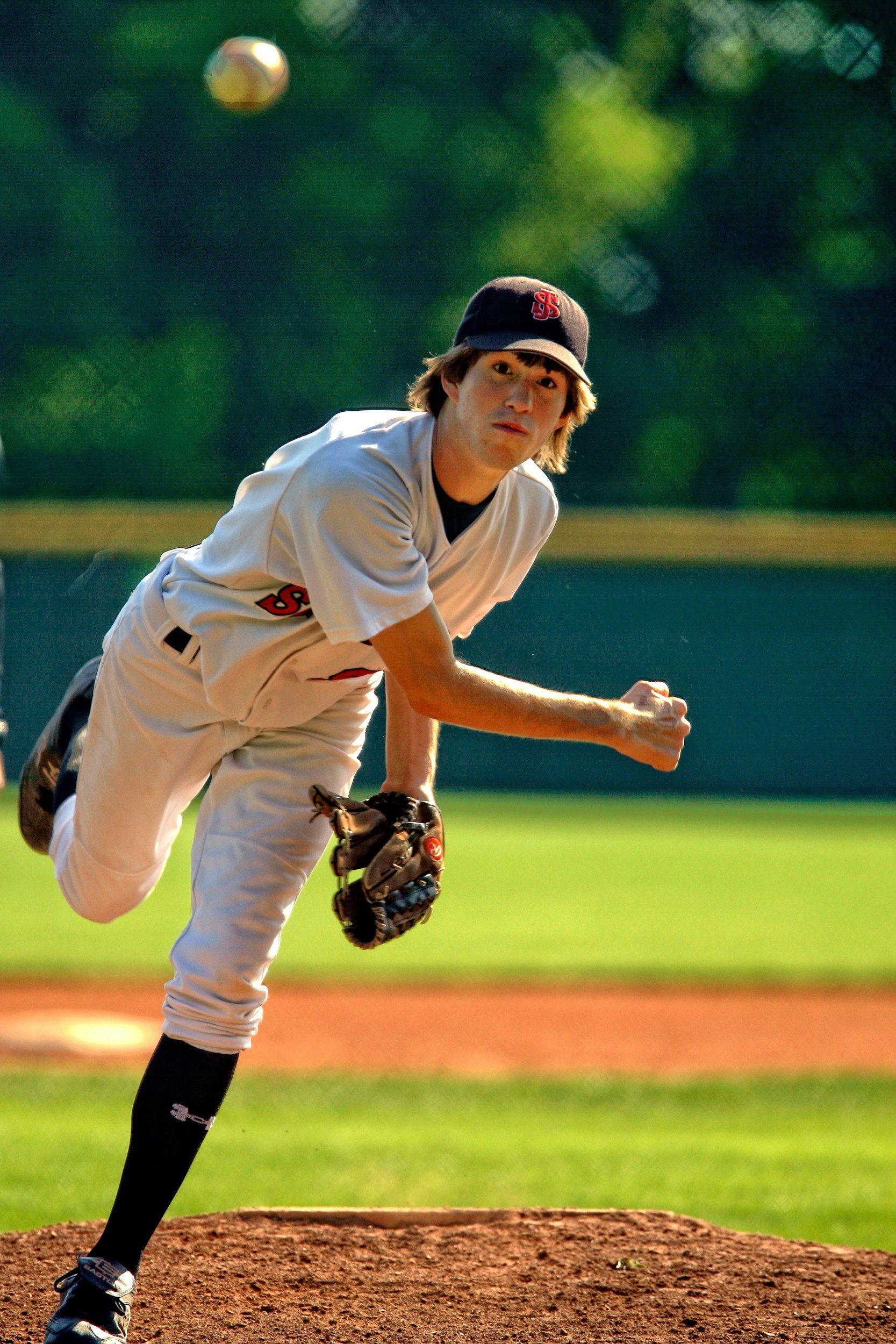
Baseball asks a lot of a body that only gets a few seconds of work at a time. A pitcher throws at full effort dozens of times a game, and a hitter or fielder goes from standing still to a full sprint or a max-effort swing in an instant.
That is why so many players deal with sore shoulders, cranky elbows, tight hips, and back pain by midseason.
At Get Back PT + Performance, we help Denver baseball players build a durable arm, add strength and power, and get back on the field after injury. Your sessions are led by Dr. Brett Green, PT, DPT, a former college baseball player who works with high-level players, so rehab and training happen in one plan with someone who knows the game.
Not sure yet? Book a free 15-minute discovery call.
What Baseball Actually Demands From Your Body
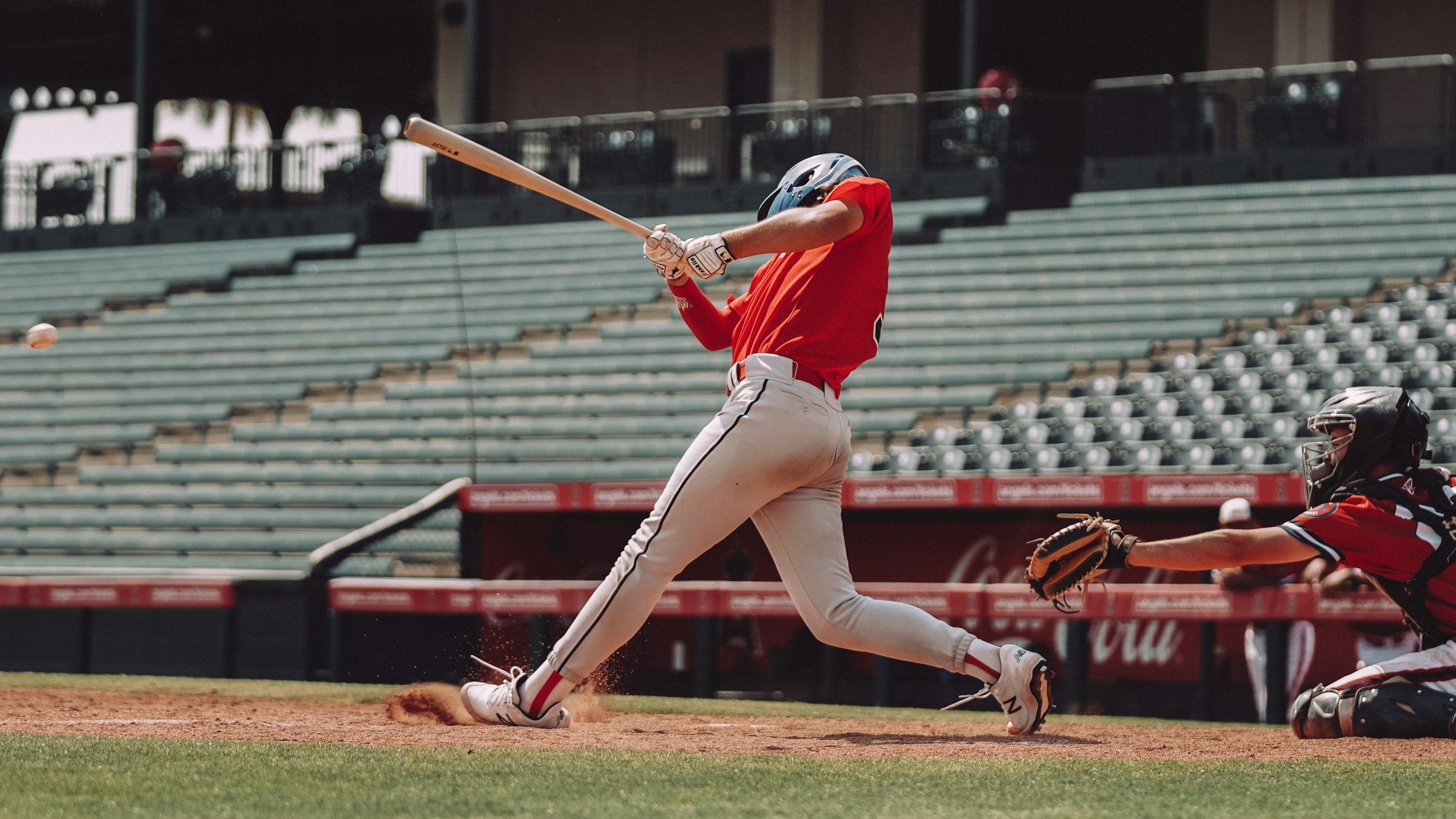
Throwing is one of the fastest movements in sport, and the shoulder and elbow absorb huge forces with every pitch and every long throw. Hitting and fielding demand quick, powerful rotation through the hips and trunk, plus short sprints and fast changes of direction.
The arm does not do this alone. Velocity and bat speed start from the ground up, through the legs, hips, and trunk. When those links are weak or tired, the shoulder and elbow end up doing more of the work.
Is Baseball Training Right for You?
This is a good fit if:
You are a high school, college, or adult player who wants a stronger, more durable body
You are a pitcher or position player dealing with shoulder, elbow, or back pain
You are coming back from an injury, surgery, or physical therapy and need a plan back to throwing and hitting
You want more velocity, bat speed, or running speed
You want an off-season or in-season program built around your practice and game schedule
If you have pain that is getting worse, especially in the elbow or shoulder, we recommend starting with a physical therapy evaluation so we can figure out what is going on before building your training plan.
Workload, Fatigue, and Arm Injuries
Most throwing injuries are overuse injuries, and how much and how often you throw matters. In a study of adolescent pitchers, Olsen and colleagues (2006) found that those who pitched more than 8 months a year were about 5 times more likely to have an arm injury needing surgery, and those who averaged more than 80 pitches per appearance were nearly 4 times more likely. Pitchers who regularly threw with a tired arm were about 36 times more likely.
Strength matters too. In professional pitchers, Byram and colleagues (2010) found that weaker preseason shoulder external rotation and supraspinatus strength were linked to throwing injuries that needed surgery.
The takeaway is not to throw less forever. It is to build an arm that can handle more, and to manage throwing volume so your capacity keeps up with your workload.
How We Train Baseball Players
We start with your position, your season, your injury history, and how you move. Then we build a plan around your throwing and practice schedule.
Arm care and shoulder strength: progressive rotator cuff, scapular, and forearm work to build a durable arm
Throwing workload planning: matching throwing volume and intensity to your season and how your arm is responding
Lower body strength and power: squats, hinges, and jumps that drive velocity and bat speed
Rotational power: medicine ball throws and trunk work for throwing and hitting
Speed and agility: sprint mechanics and change-of-direction work for the bases and the field
Mobility that matters: hip, thoracic spine, and shoulder range that your throwing and hitting actually use
Return to throw and return to hit: structured progressions after injury or surgery
We train baseball players in person at our Jefferson Park studio.
Physical Therapy and Personal Training Under One Roof
Brett played baseball in college and earned his Doctorate in Physical Therapy from Regis University. Because our team is led by a Doctor of Physical Therapy, we can train you around old injuries and adjust quickly when your arm or back is talking, without sending you somewhere else.
You might also like our return to sport training programs, or our guide to what a personal trainer costs in Denver.
Frequently Asked Questions About Baseball Training
-
Build shoulder, forearm, and lower body strength, avoid throwing year-round without a break, manage your pitch counts and throwing volume, and stop pitching when your arm is fatigued. A plan that matches your workload to your capacity is the best protection we have.
-
There is no single best exercise. Most players benefit from rotator cuff and scapular strength, heavy lower body lifts, jumps, medicine ball throws, and sprint work, dosed around their season.
-
Usually it is a mismatch between how much you are throwing and what your arm is currently built to handle. Pain is not always a sign of damage, but elbow pain in throwers deserves a proper evaluation, especially if it is getting worse.
-
No. A well-designed program builds strength and power without costing you range of motion, and lower body and trunk strength are what drive velocity.
-
Yes, in most cases. In-season lifting is lower in volume so you stay fresh for games, but it helps you hold onto the strength you built in the off-season.
-
Yes. Pitchers get more arm care and throwing workload planning, and position players get more emphasis on speed, rotational power, and hitting.
-
Yes. We work with players ages 12 and up, with training matched to each athlete’s age, experience, and season.
-
Yes. We work alongside your surgeon’s protocol and build the strength, throwing progression, and confidence to get you back on the mound or in the field.
-
No. Personal training does not require a referral, and in Colorado you can also see a physical therapist directly without one.
-
Your first session is $150 and single sessions are $130, with discounted 10 and 20 session packages. See our full breakdown in how much a personal trainer costs in Denver, or book a free 15-minute discovery call.
Our Team

Dr. Brett Green
Founder | Physical Therapist & Personal Trainer
Brett Green, PT, DPT, is the founder of Get Back PT + Performance and a former college baseball player. He specializes in low back pain, knee injury rehab and prevention, and running injuries, and works with high-level baseball players and golfers.
He also works with people with all kinds of needs, combining evidence-based physical therapy with strength training to help clients feel better, get stronger, and keep moving forward.
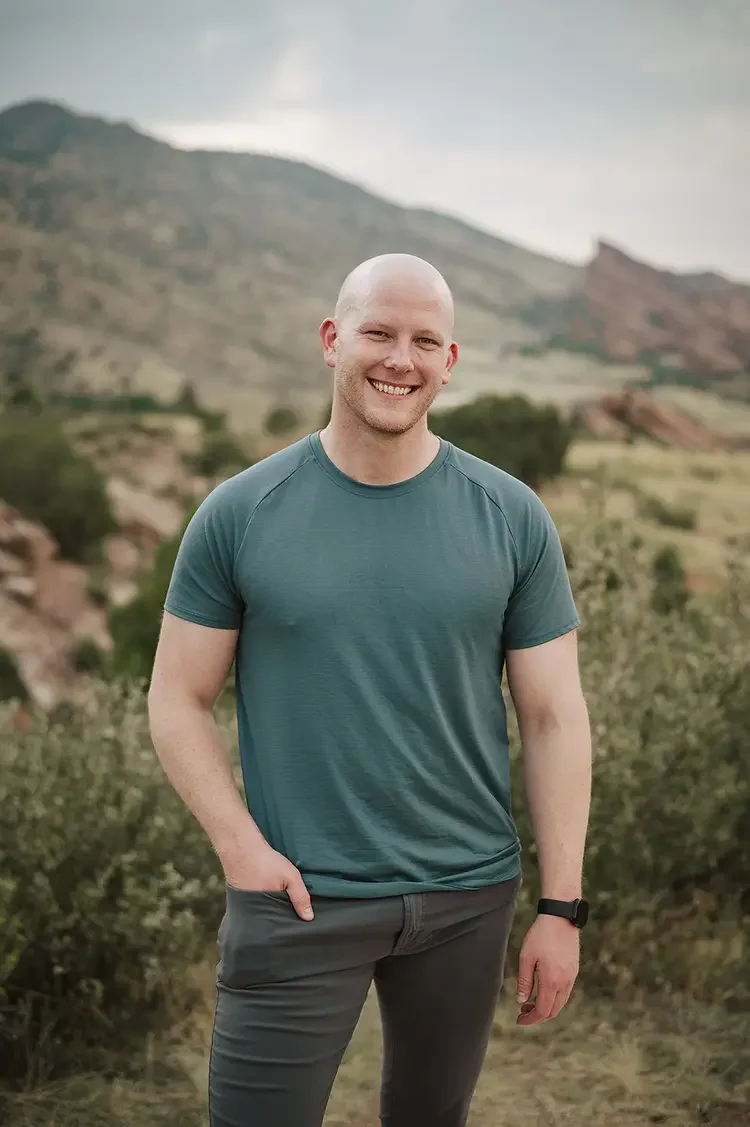
Physical Therapist Assistant
Sam Heller
Sam Heller is a Physical Therapist Assistant, strength coach, and former college track athlete with more than a decade of coaching experience. He specializes in powerlifting coaching, strength training for beginners, and strength training for older adults, and works with people with all kinds of needs.
Outside of work, Sam enjoys biking, lifting, and keeping up with his young son.

Get Back on the Field
Whether you want to throw harder, stay healthy all season, or come back from an injury, we will help you build a plan that makes sense.