
Personal Training With Knee Pain
In Denver Colorado
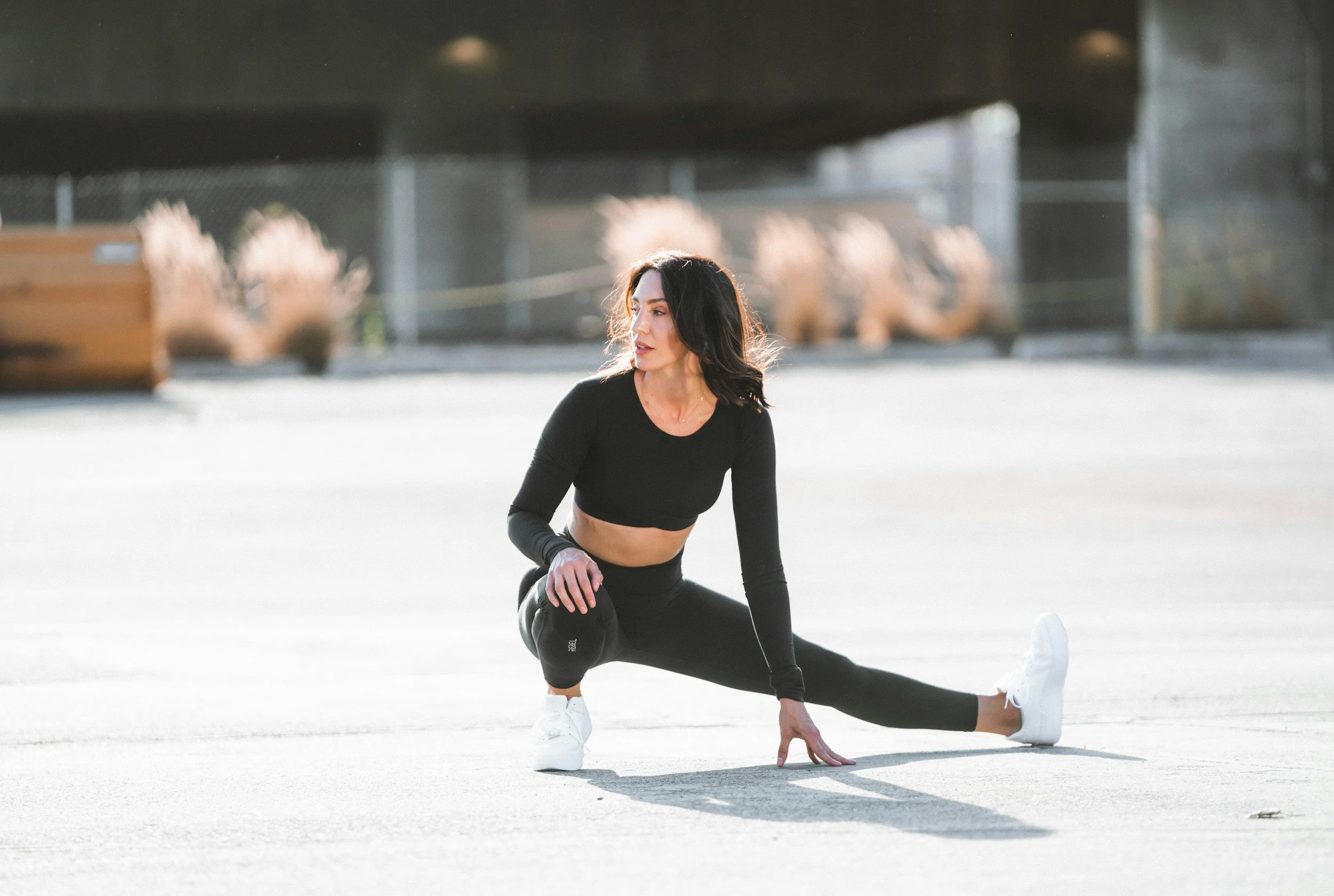
A lot of people with knee pain have been told some version of the same thing: stop squatting, stop running, take it easy.
So they do. And a few months later, their knees don't feel any better. They just feel weaker.
At Get Back PT + Performance, we help people in Denver train with knee pain instead of around it. Led by a Doctor of Physical Therapy and strength coach, we know how to load your knees in a way they can handle, then build from there so stairs, squats, hiking, and running start to feel normal again.
Work with Dr. Brett Green, PT, DPT. Knee injury rehab and prevention is one of Brett’s core specialties. He loads the knee progressively and carries you from rehab into real training, so you come back stronger and stay that way.
Not sure yet? Book a free 15-minute discovery call.
Should You Exercise With Knee Pain?
For most people, yes. The right kind of exercise is one of the best tools we have for knee pain.
For knee osteoarthritis, a 2024 Cochrane review pooled dozens of trials and found that exercise probably improves pain, function, and quality of life compared to no exercise. The improvements were modest on average, and many people respond better or worse than average, but exercise is still recommended as a first line treatment in clinical guidelines.
For pain around the kneecap (patellofemoral pain), a 2018 international consensus statement in the British Journal of Sports Medicine recommended exercise therapy to reduce pain and improve function, with the strongest support for combining hip and knee strengthening.
In other words, the goal usually isn't to stop using your knees. It's to find the right dose.
Is Personal Training for Knee Pain Right for You?
This is a good fit if:
Your knees ache with squats, lunges, stairs, or hiking
You've been told you have arthritis or "bad knees" and want to stay active
You get pain around or behind your kneecap when running, sitting, or going downhill
You've finished physical therapy for a knee injury or surgery and want to keep getting stronger
You've stopped doing exercises you enjoy because you're worried about your knees
You want a coach who understands knee pain, not one who just tells you to skip leg day
When to See a Physical Therapist or Doctor First
Personal training is a great fit for ongoing aches and pains. But start with a physical therapy evaluation or see a physician first if you have:
A recent injury, especially with a pop, fast swelling, or trouble putting weight on your leg
A knee that locks, catches, or gives way
A hot, red, or very swollen knee
Knee pain along with fever or feeling unwell
Pain that's getting worse week to week despite rest
We can help with the physical therapy side too, and many people move straight from PT into personal training with us.
Does Running or Squatting Ruin Your Knees?
This is one of the most common worries we hear, and the research is more reassuring than most people expect.
A 2017 systematic review and meta-analysis in the Journal of Orthopaedic and Sports Physical Therapy (Alentorn-Geli et al.) found hip and knee osteoarthritis in 3.5% of recreational runners, compared with 10.2% of sedentary people and 13.3% of competitive runners. That doesn't prove running protects your knees, but it does suggest recreational running isn't the knee wrecker it's often made out to be.
Squats are similar. Deep squats aren't inherently bad for healthy knees. The question is how much load your knees are ready for right now, and how quickly you build up.

How We Train Knee Pain
We start with your history, your goals, and how your knees respond to different movements. Then we find a starting point that's challenging but tolerable and build from there.
Your plan may include:
Quad and hip strengthening, including exercises that load your knees directly
Squats, split squats, step ups, and step downs, modified to a level you can handle
Calf and ankle strength for running and hiking
A plan for working with some discomfort without flaring things up
A gradual build back to running, hiking, jumping, or heavier lifting
Conditioning that keeps you fit while your knees catch up
Some discomfort during training can be OK, as long as it settles down within a day and isn't getting worse over time. We'll teach you how to tell the difference. You can train with us in person at our Jefferson Park studio, at home, or virtually.
Physical Therapy and Personal Training Under One Roof
If your knee needs more hands on care, you don't have to start over with a new provider. Physical therapy and personal training both happen at Get Back, so your plan can change as your knee does.
Related reading: Why Do My Knees Hurt When I Squat? · My Knees Hurt, How Can a Trainer Help? · Strength Training for Runners
Frequently Asked Questions About Personal Training With Knee Pain
-
For most ongoing knee pain, yes, with the right exercises and the right dose. If you have a recent injury, a knee that locks or gives way, or a hot and swollen knee, get it checked first.
-
Usually not completely. Most people do better by modifying squats, like reducing depth or load, than by avoiding them. We'll find a version you can do and build from there.
-
Quad and hip strengthening are common staples, along with squats, step ups, and split squats at the right level. The best exercises depend on where your pain is and what aggravates it.
-
Some discomfort can be fine if it settles within about a day and isn't trending worse. Sharp pain or pain that keeps building is a sign to adjust.
-
Research has found lower rates of hip and knee arthritis in recreational runners than in sedentary people. Very high volume competitive running was linked to higher rates.
-
Yes. Research shows exercise probably improves pain, function, and quality of life in knee osteoarthritis, and it's a first line treatment in clinical guidelines.
-
It's pain around or behind the kneecap that often shows up with stairs, squats, running, or sitting for a long time. Exercise that combines hip and knee strengthening is one of the best supported treatments.
-
Yes, usually once you've finished the early stages of rehab. We can work with you after physical therapy to keep building strength and get back to your activities.
-
Yes. Get Back PT + Performance offers one-on-one personal training for knee pain at our Jefferson Park studio in Denver, close to Highlands, LoHi, and Sloan's Lake, with in-home and virtual options available.
-
Personal training for knee pain is priced the same as our regular personal training sessions. You can find current pricing on our personal training page.
Our Team

Dr. Brett Green
Founder | Physical Therapist & Personal Trainer
Brett Green, PT, DPT, is the founder of Get Back PT + Performance and a former college baseball player. He specializes in low back pain, knee injury rehab and prevention, and running injuries, and works with high-level baseball players and golfers.
He also works with people with all kinds of needs, combining evidence-based physical therapy with strength training to help clients feel better, get stronger, and keep moving forward.

Physical Therapist Assistant
Sam Heller
Sam Heller is a Physical Therapist Assistant, strength coach, and former college track athlete with more than a decade of coaching experience. He specializes in powerlifting coaching, strength training for beginners, and strength training for older adults, and works with people with all kinds of needs.
Outside of work, Sam enjoys biking, lifting, and keeping up with his young son.

Get Back to Doing What You Love
Whether you want to return to the gym, running, hiking, skiing, sports, or simply get through your day more comfortably, we’ll help you figure out a plan that makes sense.