
Physical Therapy for Sciatica in Denver
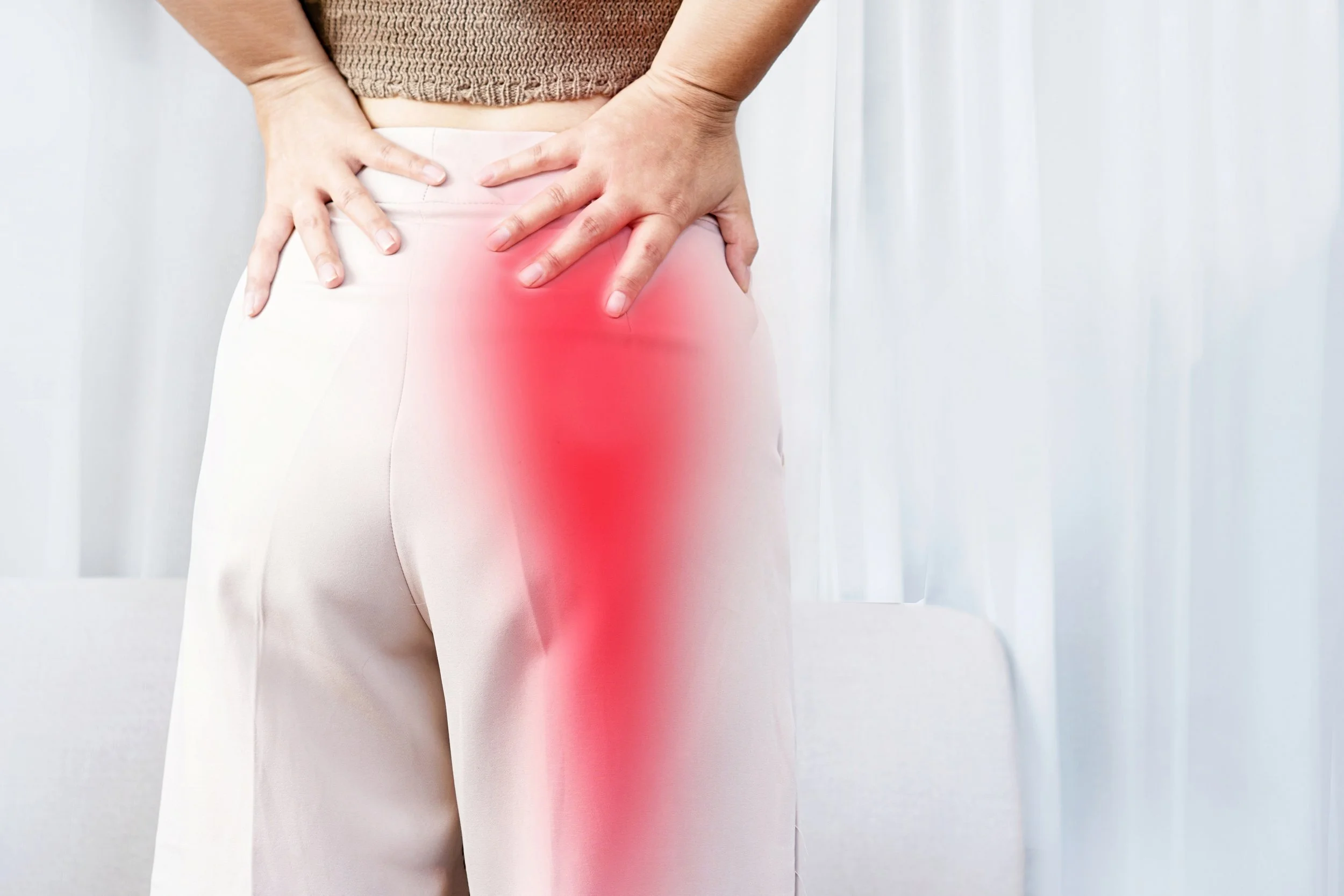
Sciatica can make sitting, walking, lifting, working, or even finding a comfortable position feel way harder than it should.
Symptoms can range from a deep ache in the lower back or hip to burning, tingling, numbness, or pain that travels down the leg. And while “sciatica” gets used pretty broadly, the symptoms can come from different things and do not always require the exact same treatment.
At Get Back PT & Performance, we help people in Denver figure out what may be contributing to their symptoms and build a plan to get moving again with more confidence.
The goal is not just to calm things down temporarily. We want to help you get back to sitting, lifting, running, training, working, and doing the things you actually care about.
What Does Sciatica Feel Like?
Sciatica usually refers to symptoms that travel along the path of the sciatic nerve, often from the lower back or hip into the leg.
Common symptoms can include:
Pain that travels from the lower back or glute into the thigh, calf, or foot
Burning or shooting pain down one leg
Tingling or pins-and-needles sensations
Numbness in part of the leg or foot
Symptoms that get worse with prolonged sitting
Pain with bending, lifting, or certain movements
Leg weakness in some cases
Symptoms that come and go depending on activity or position
Not everyone with sciatica experiences the same pattern. Some people mainly notice leg symptoms, while others have both back and leg pain.
Why Does Sciatica Happen?
Sciatica is a symptom pattern, not necessarily one specific injury.
In some cases, irritation or sensitivity involving a nerve in the lower back can contribute to symptoms. Disc changes, inflammation, spinal narrowing, or other factors can sometimes play a role.
But an MRI finding does not automatically tell us how much pain someone should have or exactly what their recovery will look like.
We also look at things like:
What movements make symptoms better or worse
How much sitting or standing you do
Your current activity and training level
Strength and mobility
Previous episodes of back or leg pain
How quickly your activity or training load changed
How your symptoms respond to different positions and exercises
The important part is figuring out what your symptoms are actually doing and what helps you tolerate more movement over time.
How We Treat Sciatica
Treatment should depend on the person, not just the word “sciatica” on a diagnosis.
At Get Back, your physical therapy plan may include:
Strength exercises for the trunk, hips, and legs
Mobility work when limited movement is contributing to symptoms
Exercises that help reduce or change leg symptoms
Gradual exposure to movements that currently feel uncomfortable
Modifications to lifting, running, or workouts while symptoms settle down
Manual therapy when it helps improve comfort or movement
Dry needling when appropriate
Progressive strength training as symptoms improve
A gradual return to normal exercise, work, and sports
You usually do not need to avoid movement completely.
In fact, one of the goals of rehab is helping you find movements you can tolerate now and gradually build from there.
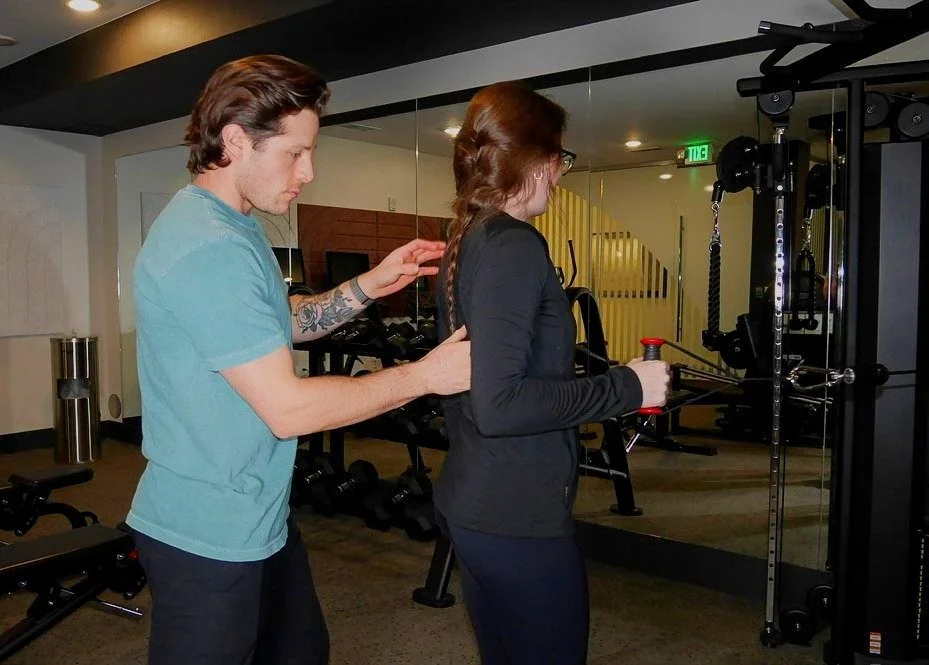
Can I Still Exercise With Sciatica?
Often, yes.
The answer depends on your symptoms and how they respond to activity, but having sciatica does not automatically mean you need to stop exercising.
Sometimes the better approach is temporarily adjusting things like:
Exercise selection
Range of motion
Weight
Running volume
Training frequency
Sitting or rest time between activities
From there, we can gradually rebuild your tolerance.
The goal is not to create a long list of movements you are afraid to do. It is to help you understand what your body can handle right now and keep expanding that over time.
Frequently Asked Questions
-
Yes. Physical therapy can help identify movements and activities that affect your symptoms and build strength, mobility, and tolerance over time. Treatment should be based on your specific symptoms rather than using the exact same exercises for everyone with sciatica.
-
A little rest may help during a particularly irritated period, but prolonged inactivity is usually not the goal. Staying as active as you comfortably can and gradually returning to normal movement is often more useful than avoiding activity completely.
-
Not necessarily. Some people feel better with certain stretches, while others find that aggressive stretching makes symptoms worse. We would rather see how your symptoms respond than assume every person with sciatica needs the same stretch.
-
Often, yes. You may need to temporarily adjust certain exercises, loads, or ranges of motion, but strength training can still be part of the rehab process.
-
It depends on your symptoms. Some people can continue running with modifications, while others may benefit from temporarily reducing mileage or intensity. The goal is usually to return to running progressively rather than avoiding it indefinitely.
-
There is no single timeline. Symptoms, severity, activity level, and the underlying contributors all matter. Some cases improve relatively quickly, while others take longer and require a more gradual progression.
-
Consider getting evaluated if your symptoms are interfering with daily life, exercise, work, sleep, or are not improving the way you expected.
-
Seek prompt medical care if you develop significant or worsening leg weakness, numbness around the groin or saddle area, or new problems controlling your bladder or bowels.
Our Team

Dr. Brett Green
Founder | Physical Therapist & Personal Trainer
Brett Green, PT, DPT, is the founder of Get Back PT + Performance and a former college baseball player. He specializes in low back pain, knee injury rehab and prevention, and running injuries, and works with high-level baseball players and golfers.
He also works with people with all kinds of needs, combining evidence-based physical therapy with strength training to help clients feel better, get stronger, and keep moving forward.

Physical Therapist Assistant
Sam Heller
Sam Heller is a Physical Therapist Assistant, strength coach, and former college track athlete with more than a decade of coaching experience. He specializes in powerlifting coaching, strength training for beginners, and strength training for older adults, and works with people with all kinds of needs.
Outside of work, Sam enjoys biking, lifting, and keeping up with his young son.

Get Back to Doing What You Love
Whether you want to return to the gym, running, hiking, skiing, sports, or simply get through your day more comfortably, we’ll help you figure out a plan that makes sense.