
ACL & Meniscus Physical Therapy Injuries in Denver
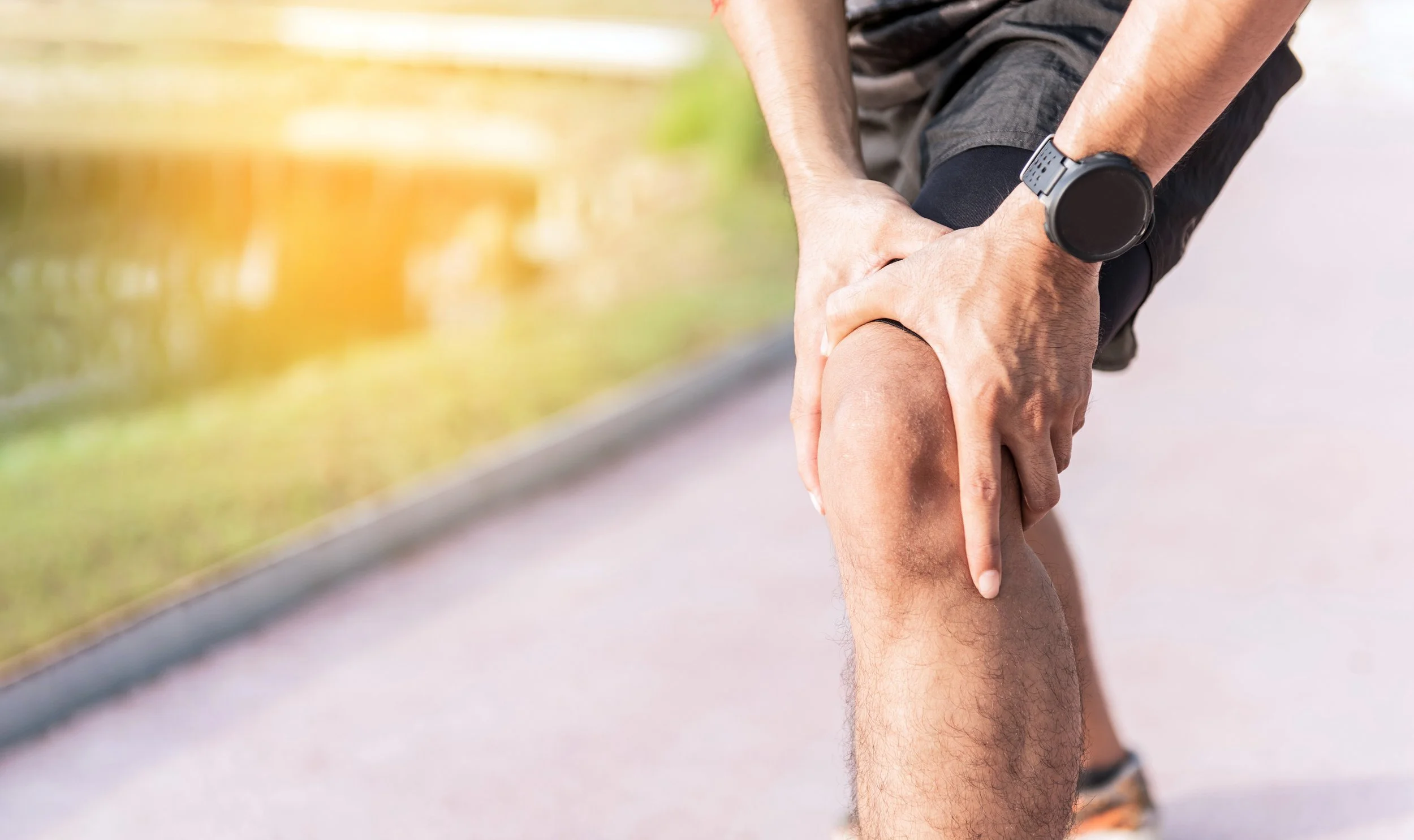
Knee injuries can be frustrating, especially when they keep you from running, lifting, skiing, playing sports, or even feeling confident walking up and down stairs.
ACL and meniscus injuries can look very different from person to person. Some people are recovering from surgery. Others are trying to avoid surgery. Some are months into rehab and still do not feel ready to return to their sport.
At Get Back PT & Performance, we help people in Denver rebuild strength, confidence, and physical capacity after ACL and meniscus injuries.
The goal is not just to get your knee feeling “good enough.” We want to help you get back to the activities and sports you actually care about.
What Do ACL & Meniscus Injuries Feel Like?
ACL and meniscus injuries can happen during sports, lifting, skiing, running, or even a simple awkward twist.
Common symptoms may include:
Knee pain or swelling
A feeling that the knee is unstable or giving way
Difficulty fully bending or straightening the knee
Pain with squatting, lunging, or stairs
Pain with twisting or changing direction
Clicking, catching, or locking sensations
Weakness in the injured leg
Difficulty running, jumping, or cutting
Lack of confidence returning to sports or heavier training
Not every knee injury feels the same, and symptoms alone do not always tell us exactly what is happening.
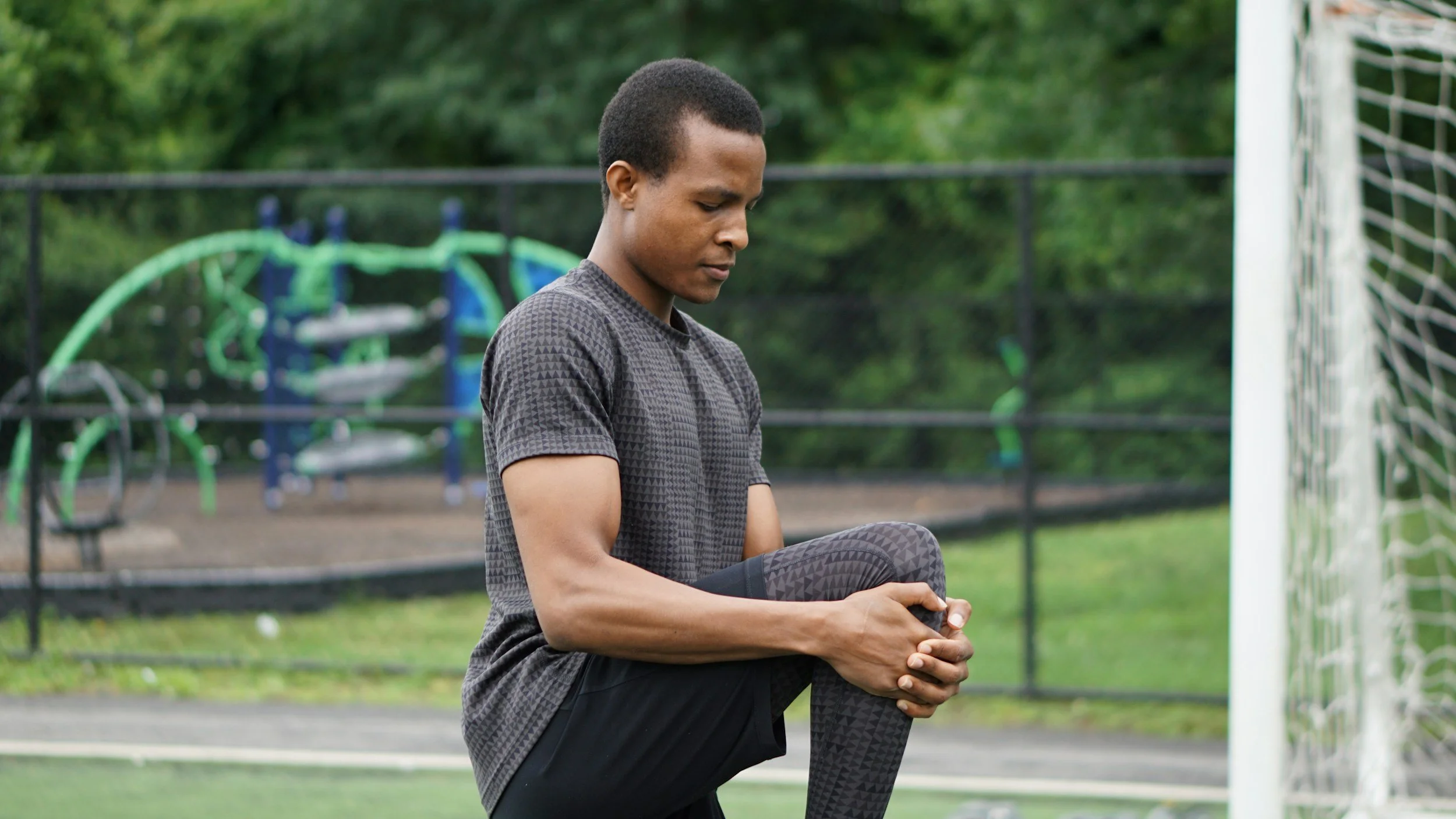
ACL Injuries
The ACL, or anterior cruciate ligament, helps control movement and stability at the knee.
ACL injuries often happen during activities involving quick direction changes, jumping, landing, or pivoting. They are common in sports such as soccer, basketball, football, skiing, and other activities that require cutting or rapid changes in direction.
Some ACL injuries are treated surgically, while others may be managed without surgery depending on the person, their goals, injury severity, and other factors.
Either way, rehabilitation plays a major role.
Meniscus Injuries
The meniscus is a piece of cartilage inside the knee that helps distribute force and contributes to knee function.
Meniscus injuries can happen suddenly during twisting movements or develop gradually over time.
A meniscus injury does not automatically mean you need surgery.
Some people can successfully return to normal activity with a progressive rehabilitation program focused on strength, movement, and gradually increasing what the knee can tolerate.
For people who do have surgery, physical therapy helps rebuild the strength and function needed to return to normal activity afterward.
How We Treat ACL & Meniscus Injuries
Rehabilitation should prepare you for what you actually want to do.
If your goal is simply walking and exercising comfortably, your rehab will look different from someone trying to return to skiing, soccer, basketball, running, or heavy lifting.
Your plan may include:
Quadriceps strengthening
Hamstring and hip strengthening
Single-leg strength exercises
Balance and coordination work
Mobility exercises
Progressive squatting, lunging, and stepping
Jumping and landing progressions
Running progressions
Change-of-direction and agility work
Sport-specific training
Progressive return to lifting
Education around training load and recovery
We gradually increase the challenge as your knee becomes stronger and more capable.
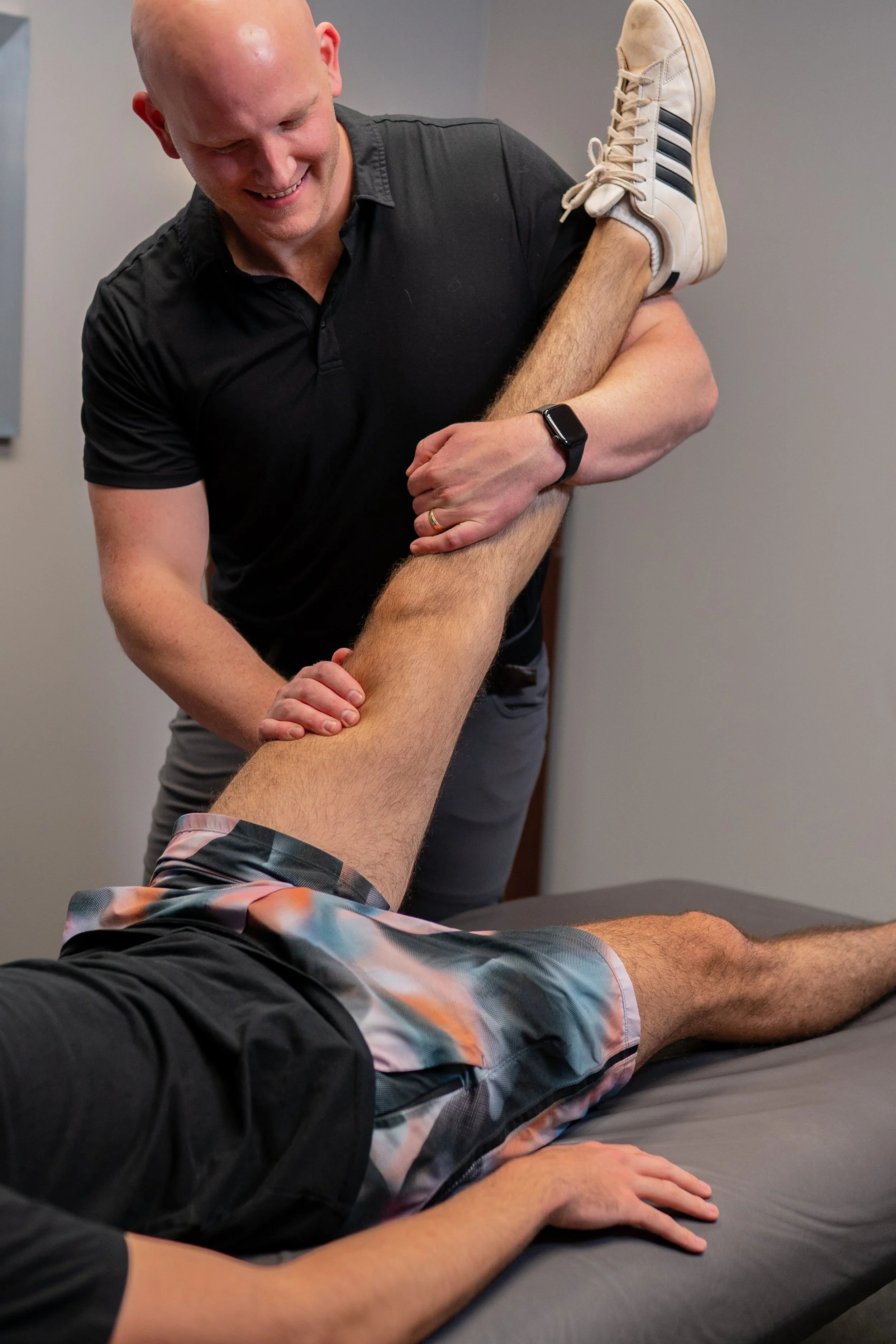
How We Treat ACL & Meniscus Injuries
Rehabilitation should prepare you for what you actually want to do.
If your goal is simply walking and exercising comfortably, your rehab will look different from someone trying to return to skiing, soccer, basketball, running, or heavy lifting.
Your plan may include:
Quadriceps strengthening
Hamstring and hip strengthening
Single-leg strength exercises
Balance and coordination work
Mobility exercises
Progressive squatting, lunging, and stepping
Jumping and landing progressions
Running progressions
Change-of-direction and agility work
Sport-specific training
Progressive return to lifting
Education around training load and recovery
We gradually increase the challenge as your knee becomes stronger and more capable.
ACL Rehab Is More Than Getting Your Range of Motion Back
Early ACL rehab often focuses on reducing swelling, restoring knee motion, and getting the quadriceps working again.
Those things matter.
But they are only the beginning.
Returning to running or sports requires significantly more strength, power, coordination, and confidence than simply being able to walk without pain.
Later-stage ACL rehabilitation should progressively challenge your knee through things like:
Heavy strength training
Single-leg exercises
Jumping and landing
Sprinting
Deceleration
Cutting and changing direction
Sport-specific drills
One of the biggest gaps we see in rehabilitation is people being discharged from physical therapy before they actually feel ready for the activities they want to return to.
That is where strength and performance training become especially important.
Returning to Sport After an ACL Injury
Returning to sport should not be based on time alone.
Being six, nine, or twelve months out from surgery does not automatically mean someone is ready to return.
We look at things like:
Strength between legs
Single-leg control
Jumping and landing ability
Running tolerance
Change-of-direction ability
Sport-specific demands
Confidence in the knee
How the knee responds to harder training
The goal is to make your rehab progressively look more like the activity you are preparing to return to.
If your sport involves jumping, sprinting, cutting, or contact, your rehab should eventually include those demands.

Frequently Asked Questions
-
In some cases, yes. Whether surgery is appropriate depends on factors such as the extent of the injury, knee stability, your activity goals, and other injuries in the knee. Rehabilitation is important whether you ultimately have surgery or not.
-
Many meniscus injuries can improve without surgery. Treatment depends on the type of injury, symptoms, activity goals, and other factors. Physical therapy can help improve strength, movement, and tolerance to activity.
-
ACL rehab typically takes many months, especially for athletes returning to cutting, jumping, or pivoting sports. The timeline varies, and readiness should be based on your strength and performance rather than the calendar alone.
-
There is not one exact timeline that applies to everyone. Running usually begins once certain strength, movement, and symptom criteria are met. Your physical therapist can help determine when your knee is ready.
-
In most cases, squatting can eventually be part of rehabilitation. The depth, resistance, and variation may need to be adjusted depending on your symptoms and stage of recovery.
-
This is common. There can be a large gap between finishing traditional rehabilitation and actually being ready for the demands of running, skiing, lifting, or competitive sports. Get Back can help bridge that gap with late-stage rehabilitation and performance training.
-
Yes. Get Back works with athletes and active adults during later-stage ACL rehabilitation and return-to-sport training, including strength, jumping, running, agility, and sport-specific progressions.
-
Yes. Get Back PT & Performance provides one-on-one physical therapy and strength-based rehabilitation for ACL and meniscus injuries in Denver.
Our Team
Dr. Brett Green
Founder | Physical Therapist & Personal Trainer
Brett Green, PT, DPT, is the founder of Get Back PT + Performance and a former college baseball player. He specializes in low back pain, knee injury rehab and prevention, and running injuries, and works with high-level baseball players and golfers.
He also works with people with all kinds of needs, combining evidence-based physical therapy with strength training to help clients feel better, get stronger, and keep moving forward.
Physical Therapist Assistant
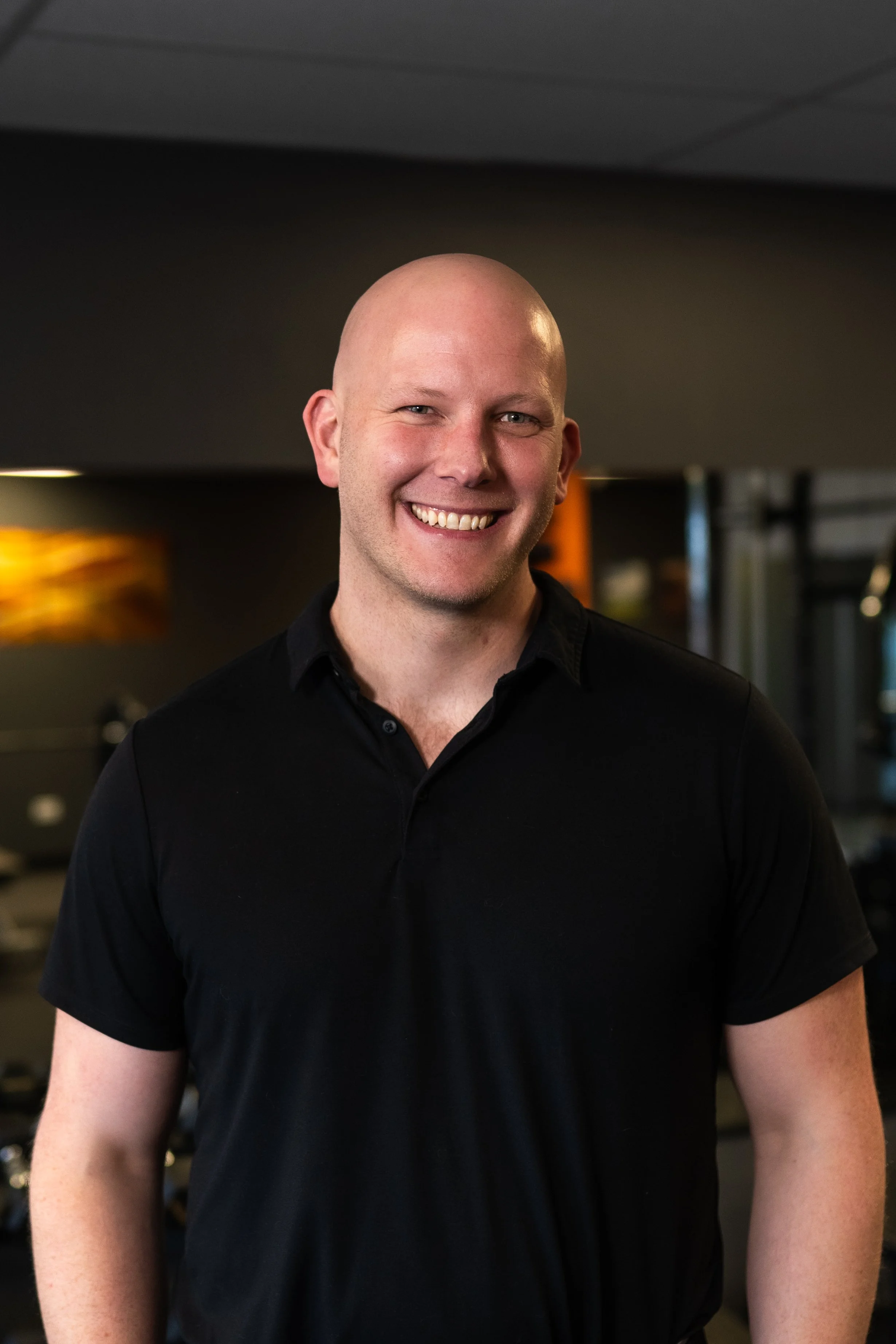
Sam Heller
Sam Heller is a Physical Therapist Assistant, strength coach, and former college track athlete with more than a decade of coaching experience. He specializes in powerlifting coaching, strength training for beginners, and strength training for older adults, and works with people with all kinds of needs.
Outside of work, Sam enjoys biking, lifting, and keeping up with his young son.
Get Back to Doing What You Love
Whether you want to return to the gym, running, hiking, skiing, sports, or simply get through your day more comfortably, we’ll help you figure out a plan that makes sense.