
Physical Therapy for Hip Pain in Denver

Hip pain can show up when you walk, run, squat, lift, sit for long periods, or even sleep on your side.
Sometimes it feels like a deep ache in the front of the hip or groin. Other times it shows up on the outside of the hip, near the glute, or around the back of the pelvis.
At Get Back PT & Performance, we help people in Denver figure out what may be contributing to their hip pain and build a plan to move, train, and exercise with more confidence.
The goal is not just to make your hip feel better temporarily. We want to help you get back to the activities you actually care about.
What Does Hip Pain Feel Like?
Hip pain can look different depending on the person and what is contributing to the symptoms.
Common symptoms may include:
Pain in the front of the hip or groin
Pain along the outside of the hip
Pain near the glute or back of the hip
Discomfort with squatting or lunging
Pain while running or hiking
Stiffness after sitting for long periods
Pain when getting in or out of a car
Difficulty climbing stairs
Pain when lying on one side
Clicking or catching sensations
Reduced confidence with lifting or exercise
Not every hip symptom means the same thing, which is why treatment should be based on what you are actually experiencing rather than just the location of the pain.
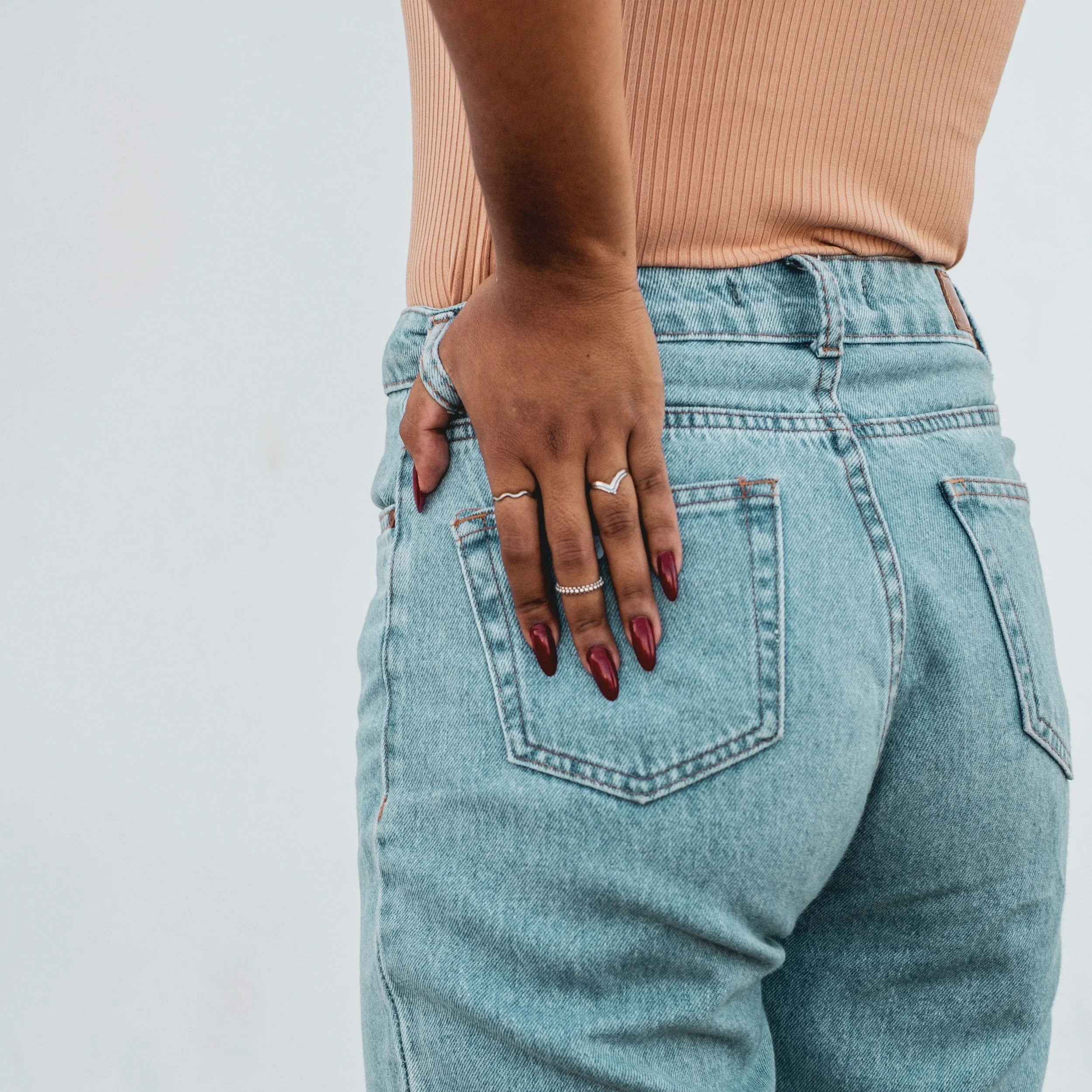
Why Does My Hip Hurt?
There is not always one simple answer.
Hip pain can be influenced by a combination of things such as:
Changes in training volume
Running or hiking mileage
Strength and conditioning
Hip and lower-body mobility
Previous injuries
Long periods of sitting
New or unfamiliar exercise
Returning to activity too quickly
Repetitive work or sports demands
Different diagnoses may also be associated with hip pain, including tendinopathy, hip impingement, labral injuries, osteoarthritis, and other orthopedic conditions.
But the diagnosis alone does not tell us exactly what treatment you need.
We look at how you move, what activities bother you, what you want to return to, and how your hip responds to different types of loading.
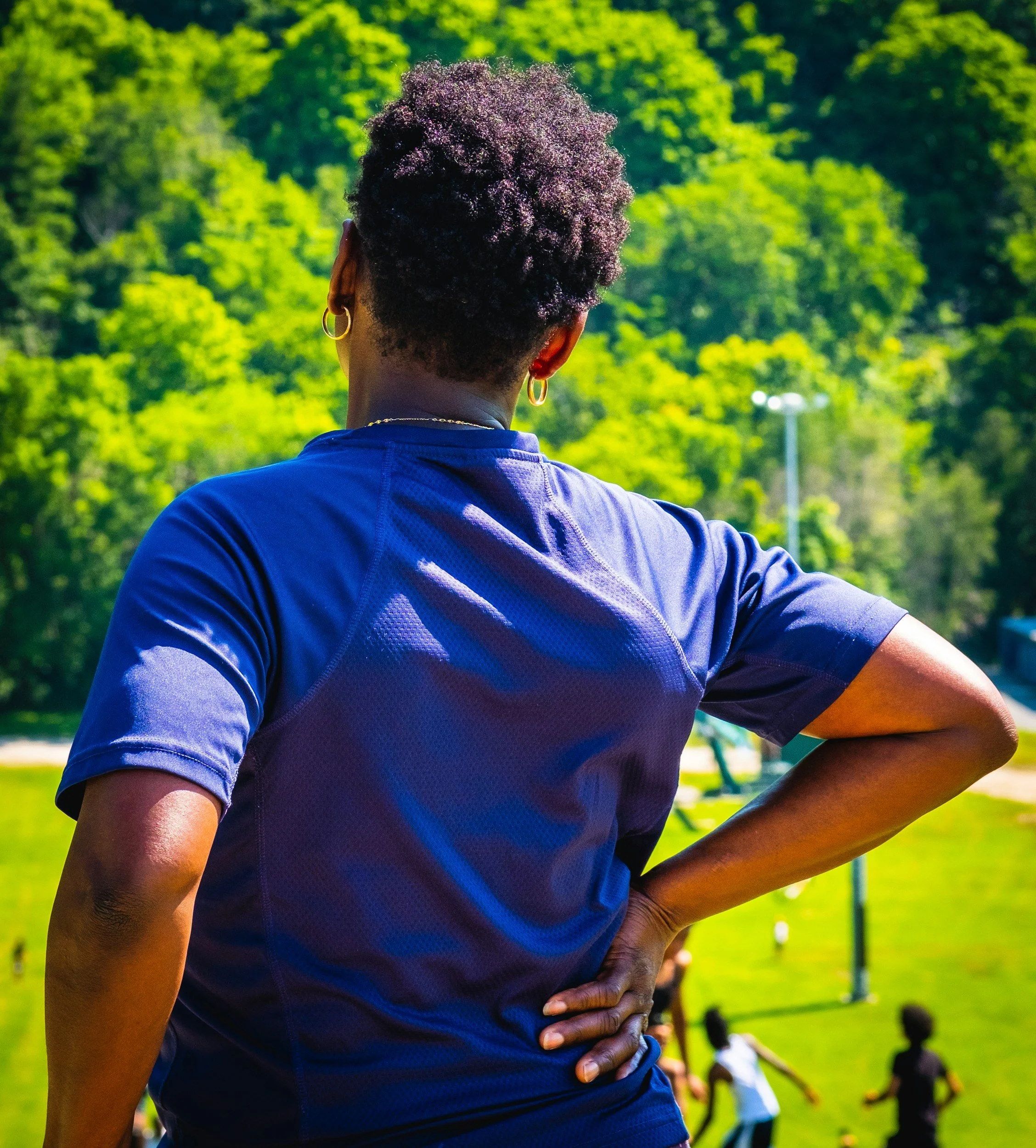
How We Treat Hip Pain
Treatment at Get Back is built around your symptoms and goals.
Your physical therapy plan may include:
Hip strengthening
Glute strengthening
Single-leg exercises
Mobility work when appropriate
Squat and lunge progressions
Running or hiking modifications
Progressive resistance training
Balance and coordination work
Manual therapy when useful
Dry needling when appropriate
Gradual return to lifting, running, sports, or other activities
The goal is to improve what your hip can tolerate over time.
We do not want you avoiding movement forever. We want to help you find the right amount of movement now and progressively build from there.
Hip Pain and Strength Training
A painful hip does not automatically mean you need to stop strength training.
In many cases, strength training can be part of the solution.
You may need to temporarily change things like:
Squat depth
Exercise selection
Weight
Range of motion
Training volume
Frequency
For example, if deep squats bother your hip, that does not necessarily mean squatting is bad for you. We may simply adjust the variation or depth while we build strength and tolerance.
As symptoms improve, we can gradually progress back toward the movements and loads you want to use.
Hip Pain With Running or Hiking
Hip pain is also common in runners, hikers, and other active adults.
Symptoms may be related to things like training volume, strength, recovery, terrain, or a sudden increase in activity.
We look at the whole picture rather than assuming the problem is caused by one weak muscle or one movement fault.
Your plan may include:
Lower-body strength training
Single-leg exercises
Running or hiking volume adjustments
Return-to-running progressions
Mobility work when needed
Changes to training intensity or frequency
The goal is to help you keep moving whenever possible while gradually improving what your hip can handle.

Hip Pain FAQs
-
Yes. Physical therapy can help identify movements and activities that affect your symptoms and build strength, mobility, and tolerance over time.
-
Not necessarily. In many cases, you can continue exercising with some temporary modifications. The goal is usually to find movements you can tolerate rather than avoiding activity completely.
-
Often, yes. You may need to adjust squat depth, stance, resistance, or variation depending on your symptoms. Squatting itself is not automatically harmful to the hip.
-
Physical therapy can help many people with hip impingement symptoms improve strength, movement, and activity tolerance. Treatment should be based on your symptoms and goals rather than the diagnosis alone.
-
Some people with labral injuries can improve with conservative treatment and strength-based rehabilitation, while others may require additional medical evaluation or surgery. Physical therapy can also be an important part of recovery after surgery.
-
Yes. Get Back PT & Performance provides one-on-one physical therapy and strength-based rehabilitation for hip pain in Denver.
-
Yes. Strength training, movement, and appropriate exercise can often help improve function and make everyday activities easier for people with hip arthritis.
-
Running-related hip pain can be influenced by training volume, strength, recovery, previous injuries, terrain, and other factors. An evaluation can help determine what may be contributing in your specific case.
Our Team
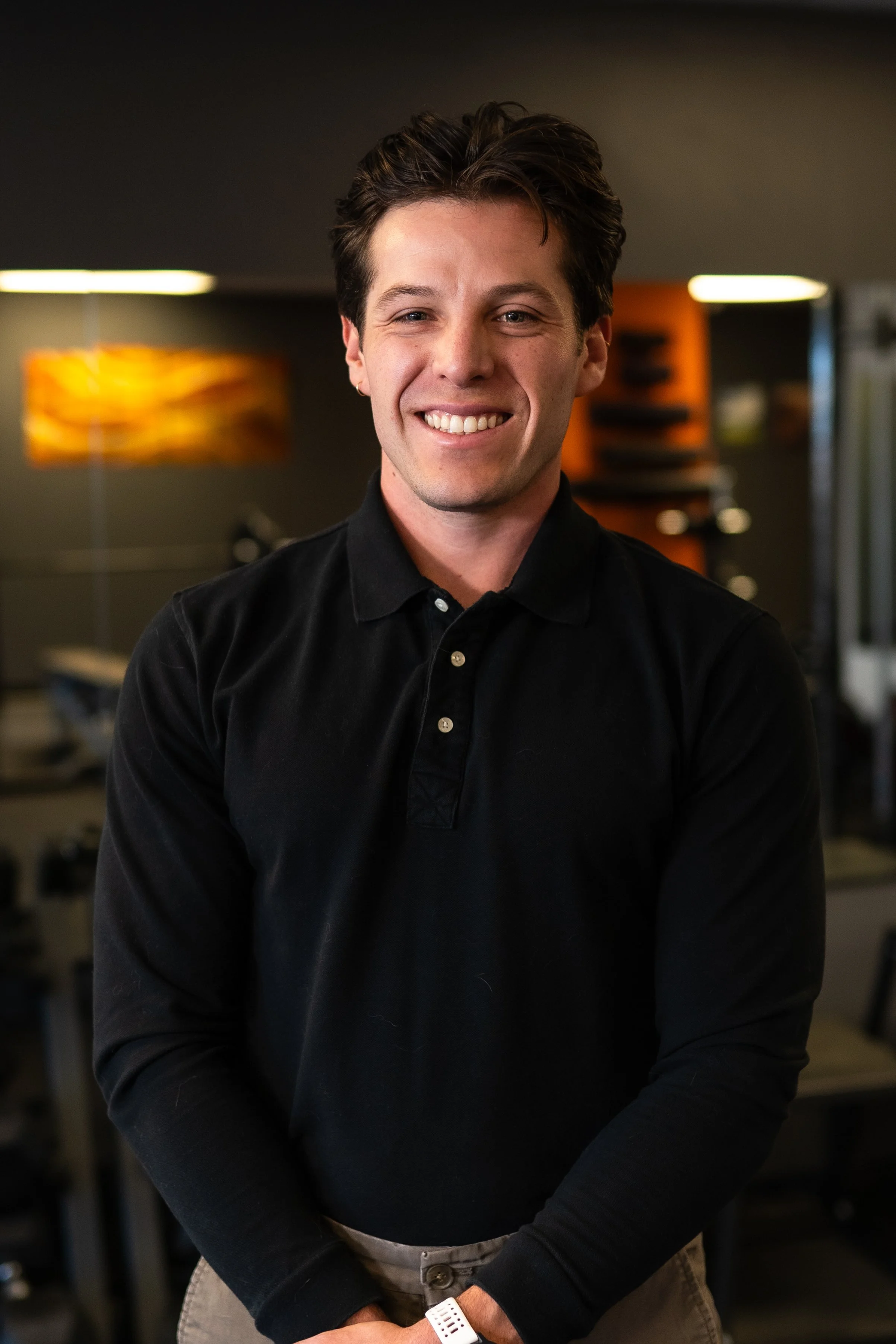
Dr. Brett Green
Founder | Physical Therapist & Personal Trainer
Brett Green, PT, DPT, is the founder of Get Back PT + Performance and a former college baseball player. He specializes in low back pain, knee injury rehab and prevention, and running injuries, and works with high-level baseball players and golfers.
He also works with people with all kinds of needs, combining evidence-based physical therapy with strength training to help clients feel better, get stronger, and keep moving forward.

Physical Therapist Assistant
Sam Heller
Sam Heller is a Physical Therapist Assistant, strength coach, and former college track athlete with more than a decade of coaching experience. He specializes in powerlifting coaching, strength training for beginners, and strength training for older adults, and works with people with all kinds of needs.
Outside of work, Sam enjoys biking, lifting, and keeping up with his young son.

Get Back to Doing What You Love
Whether you want to return to the gym, running, hiking, skiing, sports, or simply get through your day more comfortably, we’ll help you figure out a plan that makes sense.