
Physical Therapy for Knee Pain & Runner’s Knee in Denver
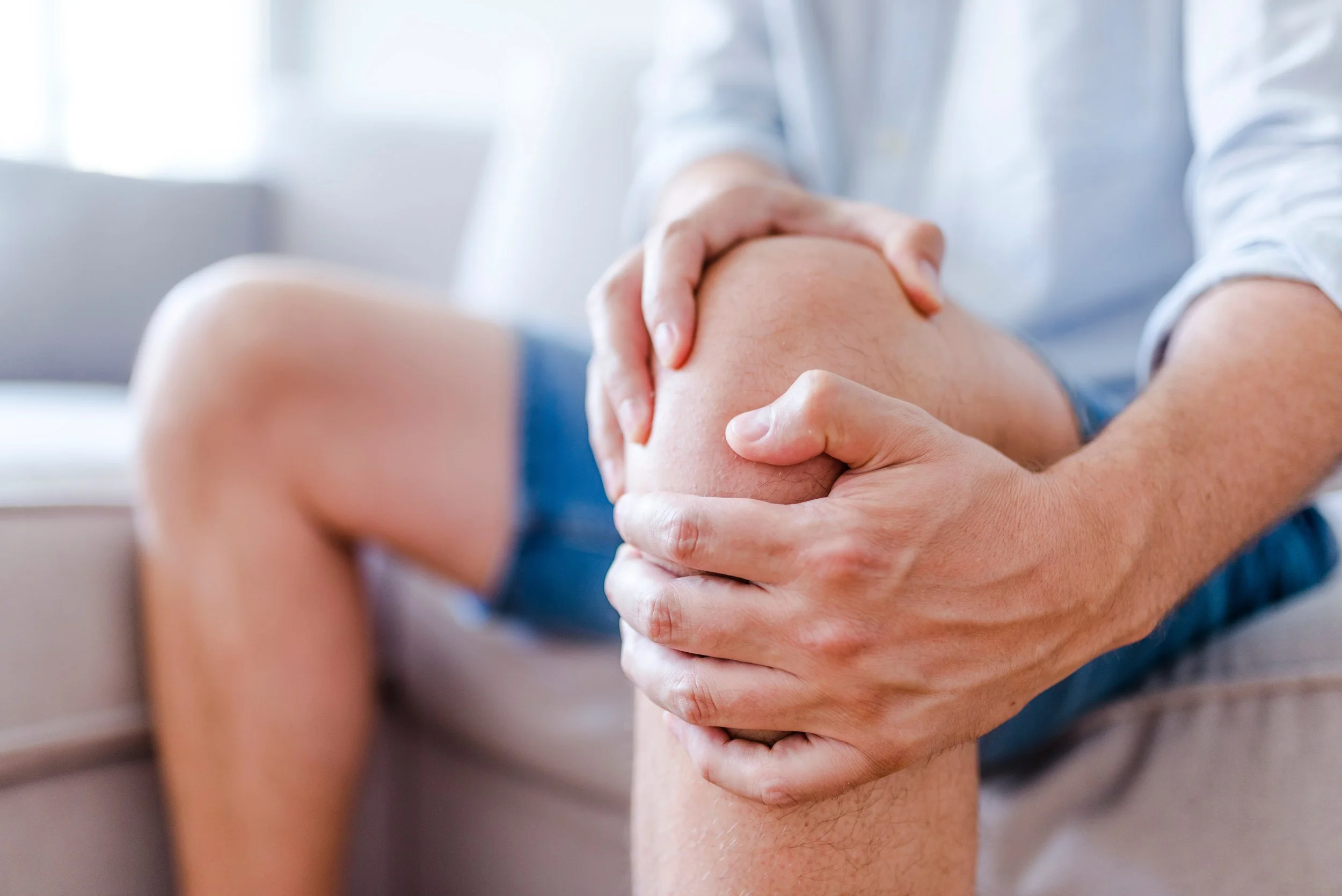
Knee pain can make running, squatting, hiking, lifting, climbing stairs, or even getting up from a chair feel way more frustrating than it should.
For some people, it starts after increasing mileage or adding more hills. For others, it shows up during squats, lunges, jumping, or day-to-day activity.
At Get Back PT & Performance, we help people in Denver figure out what may be contributing to their knee pain and build a plan to get back to moving with more strength and confidence.
The goal is not just to make your knee feel better for a few days. We want to help you get back to the activities you actually care about.
What Does Knee Pain Feel Like?
Knee pain can show up in different areas and with different movements.
Common symptoms may include:
Pain around or behind the kneecap
Pain on the inside or outside of the knee
Pain with running
Pain going up or down stairs
Discomfort with squats or lunges
Pain after sitting for a long time
Stiffness after activity
Pain with jumping or landing
Clicking or popping with movement
Swelling
Reduced confidence with exercise or sports
The location of the pain can give us some information, but it does not always tell the whole story.
What Is Runner’s Knee?
“Runner’s knee” is a general term often used for pain around the front of the knee or kneecap.
It is commonly associated with patellofemoral pain, but you do not have to be a runner to experience it.
Runner’s knee can show up with:
Running
Stairs
Squatting
Lunging
Hiking
Jumping
Prolonged sitting
Increased training volume
It often develops when the knee is being asked to tolerate more than it is currently prepared for.
That does not necessarily mean something is damaged.
It may simply mean your training load, strength, recovery, or activity level needs to be adjusted while you build capacity back up.
Why Does My Knee Hurt?
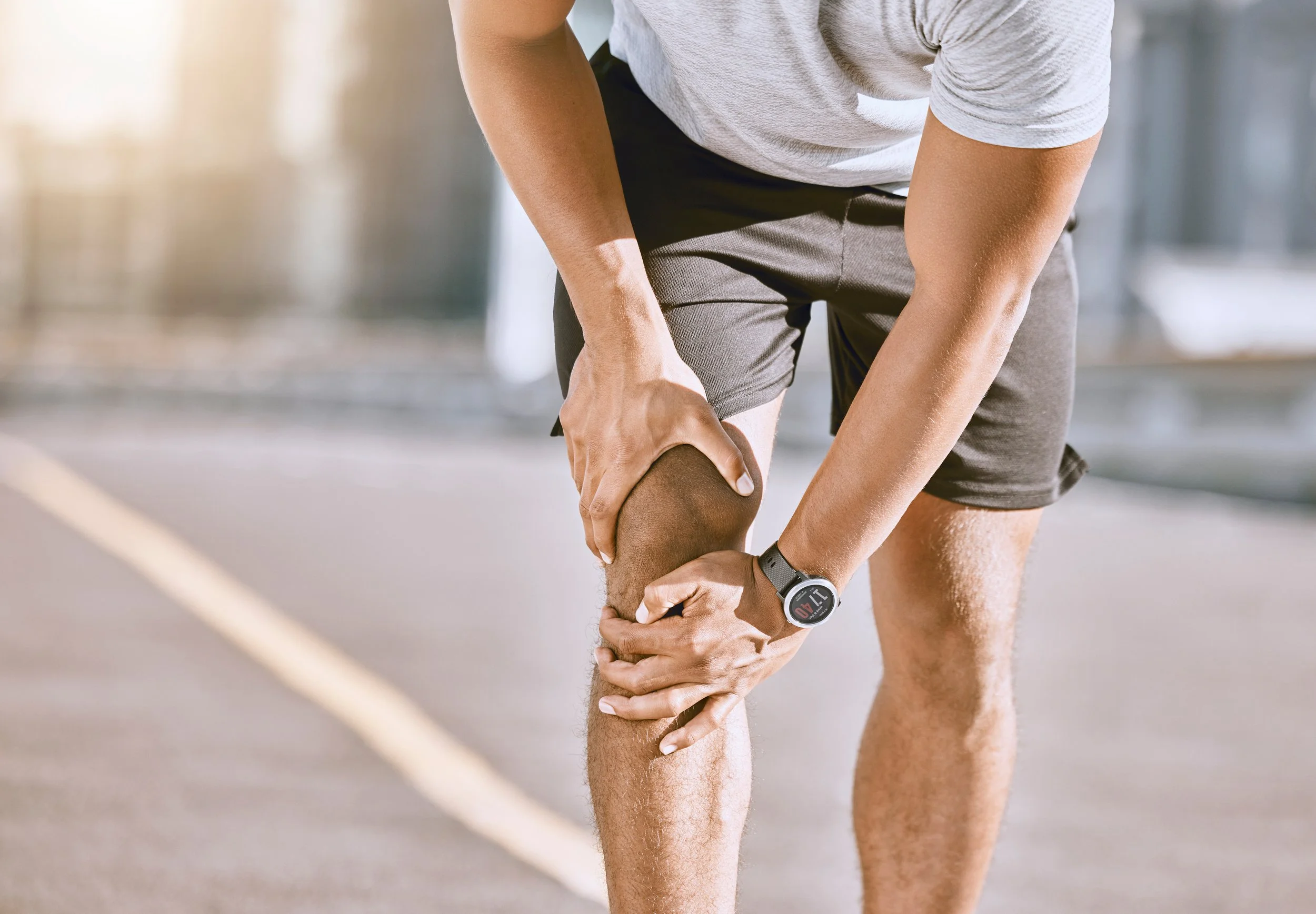
There is not always one single cause.
Knee pain can be influenced by things like:
A sudden increase in running mileage
Adding more hills or speed work
Changes in workout volume
Strength and conditioning
Previous injuries
Returning to activity too quickly
Reduced tolerance to squatting, jumping, or running
Recovery between workouts
Sport or work demands
Diagnoses like patellofemoral pain, tendinopathy, arthritis, or other knee conditions can be useful, but the diagnosis alone does not determine the entire treatment plan.
We care about what your knee can currently handle, what movements bother you, and what you want to get back to doing.
How We Treat Knee Pain & Runner’s Knee
Treatment should be built around the person, not just the diagnosis.
Your physical therapy plan may include:
Quadriceps strengthening
Hip and glute strengthening
Hamstring and calf strengthening
Single-leg exercises
Squat and lunge progressions
Running modifications
Progressive return-to-running plans
Jumping and landing exercises
Mobility work when appropriate
Training-load adjustments
Manual therapy when useful
Dry needling when appropriate
The goal is to gradually improve how much load your knee can handle.
We do not want you avoiding stairs, squats, running, or exercise forever. We want to help you build back toward them.
Runner’s Knee and Running
One of the most common questions we hear is whether someone needs to stop running completely when their knee starts hurting.
Not always.
Sometimes reducing mileage, changing intensity, adjusting hills, or temporarily modifying your running schedule is enough to keep you active while symptoms settle down.
We may look at:
Weekly mileage
Recent mileage increases
Running frequency
Speed work
Hills
Strength training
Recovery
How your knee responds during and after runs
The answer is not always “stop running.”
Sometimes the better answer is to change how much you are doing while building your knee’s capacity back up.
Can I Squat With Knee Pain?
Often, yes.
Squats are not automatically bad for your knees.
If squatting hurts, we may temporarily change:
Squat depth
Weight
Stance
Exercise variation
Range of motion
Training volume
For example, a shallower squat or different variation may be more comfortable initially.
As strength and tolerance improve, we can progressively work back toward deeper ranges and heavier loads.
The goal is not to permanently avoid movements that bother you. It is to find an entry point your knee can tolerate and build from there.
Knee Pain FAQs
-
Yes. Physical therapy can help identify factors that may be contributing to your symptoms and improve strength, movement, and tolerance to running and other activities.
-
Not necessarily. Some runners can continue running with temporary changes to mileage, intensity, terrain, or frequency. The right approach depends on how your knee responds.
-
Going downstairs places a relatively high demand on the muscles around the knee. Pain may show up when the knee is not currently tolerating that demand well. Strength training and gradual exposure can help.
-
No. Squats can often be part of knee rehabilitation. The depth, load, and variation may need to be adjusted depending on your symptoms.
-
Hip strength can be one part of the picture, but knee pain is rarely caused by one weak muscle alone. We look at the entire lower body, your training, and the demands you are placing on the knee.
-
Yes. Strength training and appropriate exercise can help many people with knee arthritis improve function, maintain activity, and feel more confident using the knee.
-
There is no single timeline. Recovery depends on how long symptoms have been present, training demands, strength, activity level, and how the knee responds to rehabilitation.
-
Yes. Get Back PT & Performance provides one-on-one physical therapy and strength-based rehabilitation for knee pain and runner’s knee in Denver.
Our Team
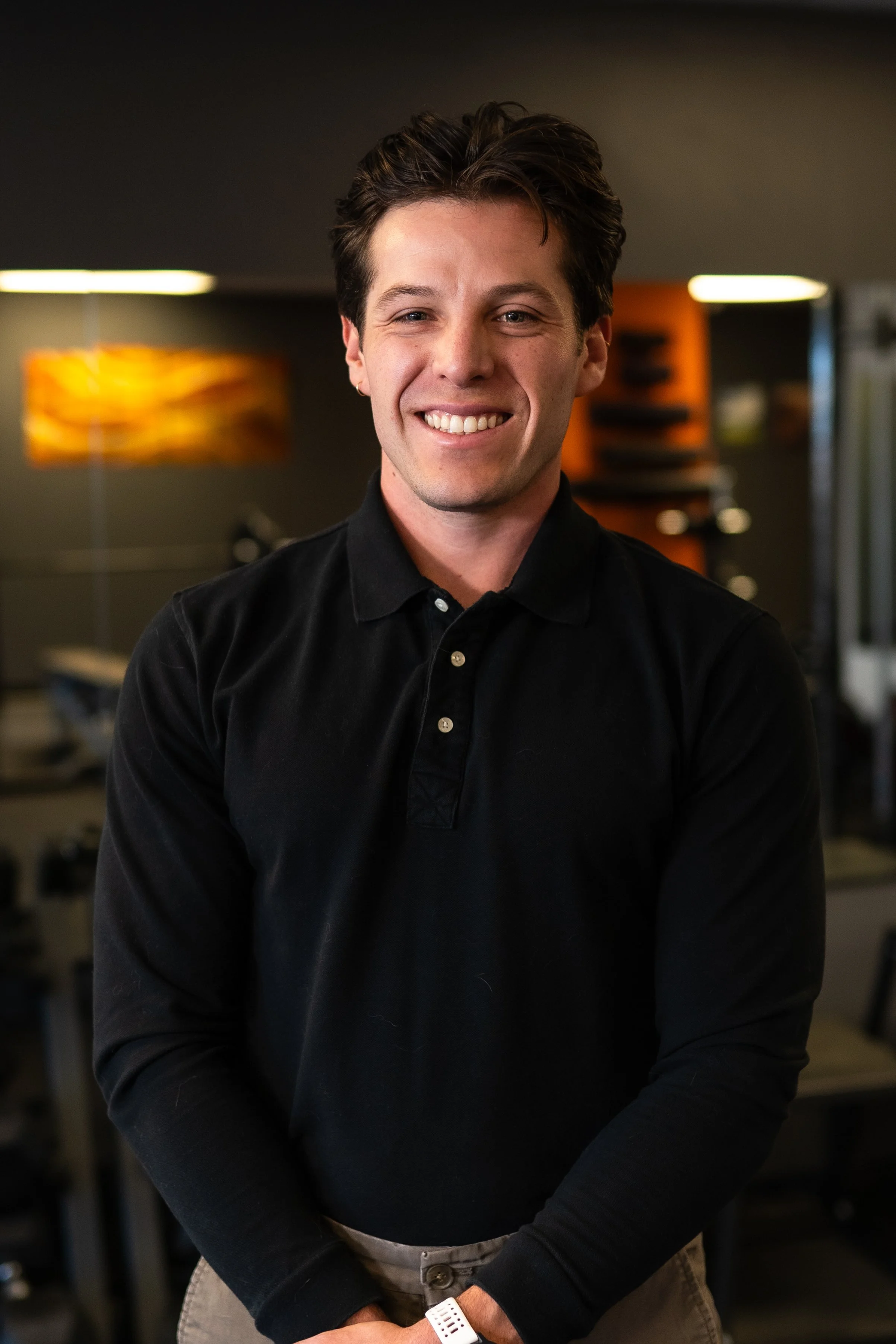
Dr. Brett Green
Founder | Physical Therapist & Personal Trainer
Brett Green, PT, DPT, is the founder of Get Back PT + Performance and a former college baseball player. He specializes in low back pain, knee injury rehab and prevention, and running injuries, and works with high-level baseball players and golfers.
He also works with people with all kinds of needs, combining evidence-based physical therapy with strength training to help clients feel better, get stronger, and keep moving forward.

Physical Therapist Assistant
Sam Heller
Sam Heller is a Physical Therapist Assistant, strength coach, and former college track athlete with more than a decade of coaching experience. He specializes in powerlifting coaching, strength training for beginners, and strength training for older adults, and works with people with all kinds of needs.
Outside of work, Sam enjoys biking, lifting, and keeping up with his young son.

Get Back to Doing What You Love
Whether you want to return to the gym, running, hiking, skiing, sports, or simply get through your day more comfortably, we’ll help you figure out a plan that makes sense.